
You are building a ship or an offshore platform. The design is complete. The yard is ready. But your L‑shaped steel supply is uncertain. Your project is at risk.
Marine projects depend on reliable L‑shaped steel supply because L‑sections are essential for hull framing, deck stiffening, and load distribution. Without a consistent supply of class‑approved, traceable L‑steel, projects face costly delays, rework, and even failure. Supplier instability is the hidden threat that can derail any marine project.
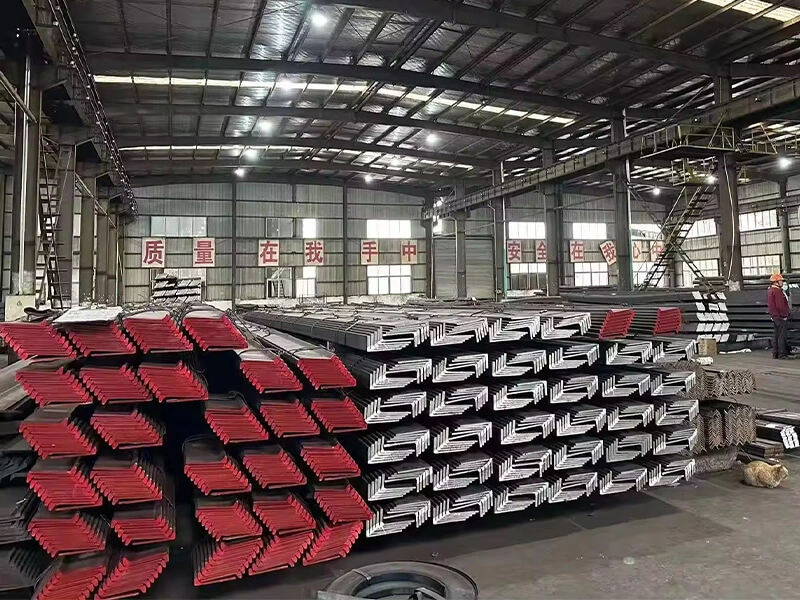
I am Zora Guo from cnmarinesteel.com. I have supplied L‑shaped steel to shipyards and offshore fabricators for years. I have seen projects succeed because the steel flowed steadily. I have also seen projects fail because the supply chain broke. Let me explain why reliable L‑shaped steel supply is not optional — it is essential.
What Critical Structural Roles Does L‑Shaped Steel Play in Hull Framing, Deck Stiffening, and Load Distribution?
L‑shaped steel is everywhere in a ship. Look inside any hull, and you will see L‑sections used as frames, stiffeners, and beams. Without them, the ship would not hold its shape.
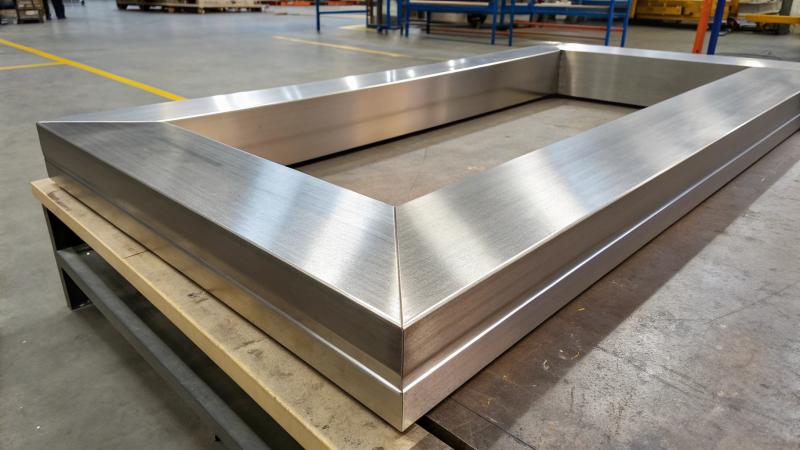
L‑shaped steel (also called angle steel or L‑section) plays three critical roles. First, it works as transverse frames that support the hull plating — these frames are like the ribs of the ship, spaced every 500‑700mm. Second, it stiffens deck plates to prevent buckling under cargo loads. Third, it distributes loads from waves, cargo, and machinery across the structure. The 90‑degree shape of the L‑section provides excellent bending strength in two directions, making it ideal for these applications. Without L‑steel, ships would be heavier, weaker, and more expensive to build.
Let me explain each role in detail.
Role 1: Hull Framing — The Ship’s Ribs
The hull plating — the outer skin of the ship — is only 10‑20mm thick. It cannot hold its shape on its own. Behind the plating are frames, usually spaced 500‑700mm apart. These frames are often made from L‑shaped steel.
One leg of the L‑section is welded to the hull plate. The other leg sticks out, providing bending strength. This simple shape resists the enormous water pressure the hull experiences at sea. Without these L‑section frames, the hull plating would flex, buckle, and eventually crack.
Role 2: Deck Stiffening — Stopping the Buckle
The deck of a ship is a large flat plate. It carries cargo, equipment, and people. Under load, a flat plate will bend. L‑sections are welded under the deck to stiffen it, typically every 600‑800mm.
The L‑section stiffener prevents the deck from sagging. It also spreads the load from heavy cargo across multiple stiffeners, so no single point takes all the weight.
Role 3: Load Distribution — Spreading the Stress
When a ship hits a wave, the force is concentrated at certain points. L‑sections act as load paths, spreading the force across the structure. This prevents stress concentrations that could lead to cracks.
For example, the bottom of a ship has heavy cargo loads from above and water pressure from below. L‑section stiffeners in the bottom structure transfer these loads to the side frames and the keel.
A Real Example
A shipyard in Vietnam built a 50m fishing vessel. The naval architect told me: "We use L150x90x12 for the main frames and L100x75x8 for the deck stiffeners. If we had to use flat bars, the ship would be 20% heavier. L‑sections give us the strength we need at lower weight."
How Does an Unreliable L‑Section Supply Chain Lead to Costly Project Delays and Schedule Overruns?
Steel is the foundation of shipbuilding. Without it, nothing moves. An unreliable L‑section supply chain is a direct threat to your project schedule.
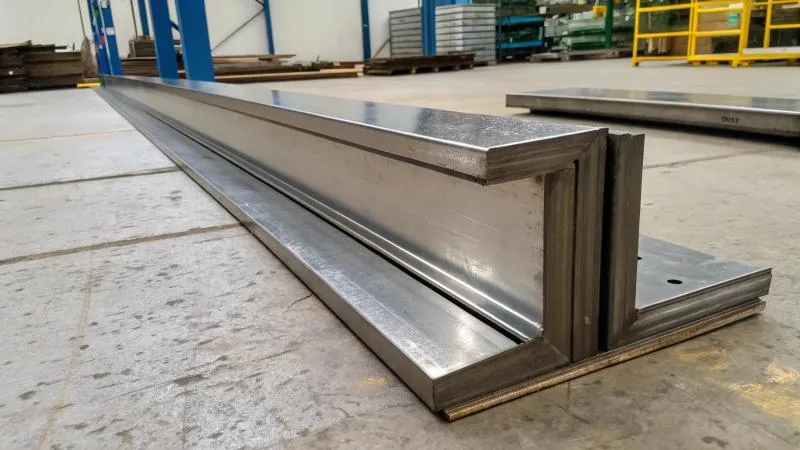
An unreliable L‑section supply chain causes delays that cascade through the entire project. If L‑sections for the bottom frames are late, the keel cannot be laid. If deck stiffeners are late, the superstructure cannot be completed. A 4‑week delay in steel delivery can add 10‑15% to total project cost through idle labor, extended yard rental, and late delivery penalties. For a $50 million project, that is $2‑5 million in extra costs. The cost of unreliable supply is not just the cost of the steel — it is the cost of the delay.
Let me show you the cascade effect.
The Delay Chain
When L‑section supply fails, here is what happens:
- Cutting stops — The CNC cutting machines have no steel to cut. The nesting team cannot program.
- Fabrication stops — Sub‑assemblies cannot be built without cut parts.
- Block assembly stops — Prefabricated blocks cannot be assembled.
- Outfitting stops — Piping, electrical, and insulation depend on completed structure.
- Launch is delayed — The vessel stays on the slipway. Yard space is blocked.
- Delivery is delayed — Client penalties apply.
The Cost of a 4‑Week Delay
| Cost category | 4‑week delay impact (medium project) |
|---|---|
| Idle labor (100 workers × 40h × $20/h) | $320,000 |
| Yard rental extension | $100,000‑200,000 |
| Subcontractor cancellation fees | $50,000‑100,000 |
| Overtime to catch up | $150,000‑300,000 |
| Late delivery penalties | $200,000‑500,000 |
| Interest on delayed payment | $100,000‑200,000 |
| Total | $920,000‑1.6 million |
A Real Example
A shipyard in Malaysia ordered L150x90x12 for a bulk carrier. The supplier promised 6‑week delivery. At week 10, still no steel. The supplier said "the mill is backlogged." At week 14, the steel arrived. The yard had already sent workers home for 4 weeks. The delay cost $400,000. The project missed the delivery window. The client cancelled.
Why Do Class Approvals, Consistent Quality, and Heat Number Traceability Make L‑Shaped Steel Supply Non‑Negotiable?
You cannot just buy L‑shaped steel from any supplier. The steel must be class‑approved. It must be consistent. It must be traceable.
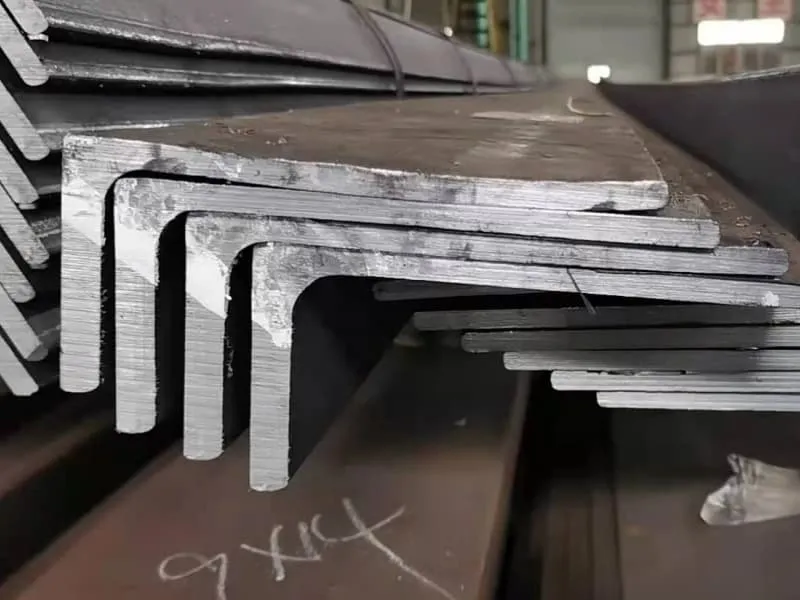
Class approvals (ABS, DNV, LR) are non‑negotiable. L‑sections that fail class inspection cannot be used in a classed vessel. Consistent quality is equally critical — batch‑to‑batch variation in chemistry or mechanical properties can cause welding problems, rework, and structural weakness. Heat number traceability links every piece of steel back to its mill certificate. When a problem is found, traceability tells you which heat is affected and which parts to inspect. Without these three elements, the steel is not usable. Period.
Let me explain each requirement.
Class Approvals — The Legal Requirement
Every ship built for international trade must be certified by a classification society — ABS, DNV, LR, or BV. The steel must come from a mill approved by that society. The approval covers specific products and grades.
If your L‑sections come from a non‑approved mill, the class surveyor will reject them. No exceptions. You cannot use the steel. You must order replacements.
Consistent Quality — The Welding Requirement
Shipyard welders are trained to weld a specific material. If the steel chemistry changes between batches, the welding procedure may not work. Cracks appear. Rework is needed.
Consistent chemistry and mechanical properties mean:
- Carbon equivalent (CEV) stays within a narrow range
- Yield strength does not vary by more than ±10 MPa
- Charpy impact values are consistently above the minimum
Without consistency, your welders will spend time adjusting procedures. Your quality control team will test every batch. Your production slows down.
Heat Number Traceability — The Chain of Evidence
Heat number traceability means every piece of L‑section is stamped with a heat number. That number links to a mill certificate that shows the chemical composition and mechanical test results for that specific heat.
If a welding crack appears, you can trace the plate back to its heat. You know if the problem is isolated to one batch or widespread. Without traceability, you might have to inspect every weld on the ship — costing thousands of hours.
A Real Example
A shipyard in Qatar received L‑sections with a class stamp but no heat number traceability. The surveyor refused to accept the steel. The steel sat on the dock for 2 weeks while the supplier searched for the records. The delay cost $50,000 in demurrage.
How Can Supplier Instability, Capacity Constraints, and Long Lead Times Derail Offshore and Shipbuilding Projects?
A supplier that looks reliable can still fail you. Financial problems, capacity limits, and long lead times are hidden threats.
Supplier instability is the root cause of many marine project failures. A supplier with weak finances cannot secure mill capacity or raw materials. A supplier without backup mills cannot recover from a breakdown. A supplier with long lead times forces you to order earlier, tying up capital longer. When a supplier fails, you have no steel, no backup, and no time. The project collapses. For every project, you must evaluate your supplier’s financial health, mill relationships, and lead time reliability. A cheap supplier with poor stability is the most expensive choice of all.
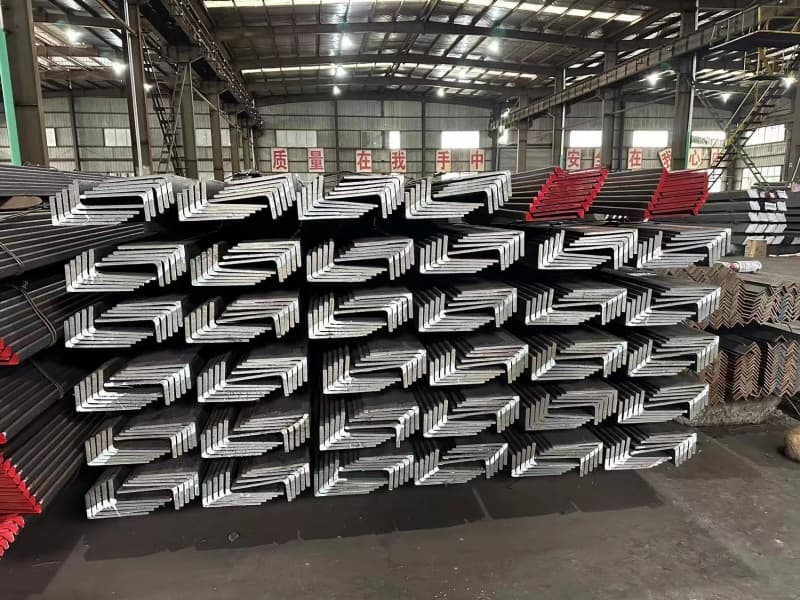
Let me break down the risks.
Financial Health — The Invisible Risk
A supplier that is struggling with cash flow will delay payments to the mill. The mill delays your order. You suffer.
Red flags:
- Supplier asks for 100% payment upfront
- Supplier is vague about mill names and payment terms
- Supplier’s prices are significantly lower than competitors
- Supplier has no physical office or warehouse
Capacity Constraints — The Single Point of Failure
A supplier that relies on one mil has no backup. If that mill fails, your order stops.
Red flags:
- Supplier cannot name a backup mill
- Supplier’s lead times are longer than industry average
- Supplier cannot provide mill capacity confirmation in writing
Long Lead Times — The Capital Trap
The standard L‑section lead time for marine grades is 8‑12 weeks. Some suppliers quote 12‑16 weeks. That means you must order steel 4 months before you need it. Your capital is tied up. Your project is locked in.
If a project is delayed or cancelled, you are stuck with steel you may not use. If the supplier’s lead time slips, your project stops.
The UK Steel Failure — A Cautionary Tale
The Royal Navy‘s Fleet Solid Support (FSS) project is a warning. Liberty Steel Dalzell, selected to supply marine steel plates, ran out of funds for raw material procurement. The plant could not pay for steel billets. Production stopped. Only about 1,000 tons of steel were produced — equivalent to "roughly three days’ output" by factory standards. Employees were receiving only 80% of their wages and remained on standby. The project was delayed. Cost overruns followed.
This is what supplier instability looks like. A mill that appears approved and qualified can still fail. When it does, the project is left without steel.
How to Avoid Supplier Instability
- Ask for financial references. Bank letters, credit reports.
- Verify mill approvals. Check the ABS, DNV, LR online lists.
- Require backup mill qualifications. "If your primary mill fails, who is your backup?"
- Get lead time commitments in writing. "What is your guaranteed lead time? What is the penalty for exceeding it?"
- Visit the supplier’s office and warehouse. See if they actually exist.
A Real Example
A shipyard in Thailand chose a low‑price L‑section supplier. The supplier had no backup mill. During production, the mill had a breakdown. The supplier could not shift the order. The steel arrived 12 weeks late. Quality was also poor. The project was delayed 5 months. The cheap supplier cost them $5 million in lost business.
Conclusion
Marine projects depend on L‑shaped steel for hull framing, deck stiffening, and load distribution. An unreliable supply chain causes costly delays. Class approvals, consistent quality, and traceability are non‑negotiable. Supplier instability — financial health, capacity, and lead times — is the hidden threat that can derail any project. Choose your supplier with care.