
A few years back, I watched a project stall because steel arrived late from multiple suppliers. The delays cost time and money. That is a nightmare I want to help you avoid.
A one-stop marine steel supply means you get all your materials from a single source. This simplifies logistics, guarantees material consistency, and speeds up your entire shipbuilding process. It reduces your stress and protects your project timeline.
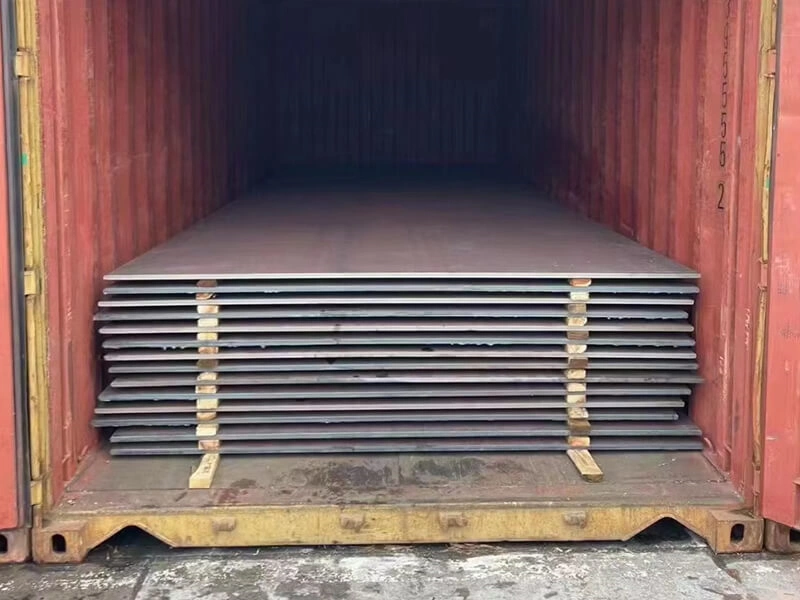
Let me be clear. I am not just talking about buying bolts and beams from the same catalog. I am talking about a strategic partnership. When you work with a supplier who understands the full scope of shipbuilding, you get more than products. You get a team that coordinates your deliveries. You get someone who ensures the steel for the hull matches the steel for the frame. You get a partner who helps you avoid the common pitfalls that sink project budgets.
Why is steel used in shipbuilding?
Imagine building a house out of cardboard. It might work for a day. But the first strong wind would tear it apart. The ocean is like that wind, but a thousand times stronger. We cannot build ships from weak materials.
Steel is the primary material for shipbuilding because it offers the best combination of strength, durability, and cost-effectiveness. No other material can handle the massive stresses of the ocean while remaining affordable enough for large-scale construction.
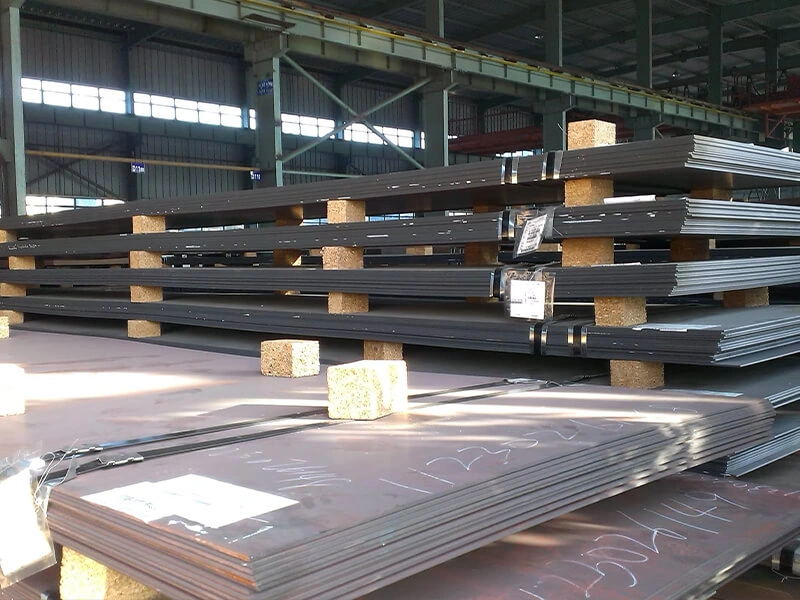
But why steel specifically? Let’s break down the reasons it remains the undisputed champion of shipbuilding. It is not just one quality, but a perfect mix of properties.
| Property | Why It Matters for Shipbuilding | My Personal Take |
|---|---|---|
| High Tensile Strength1 | This means it resists being pulled apart. A ship’s hull experiences immense tension from waves and the weight of the cargo. Steel handles this pressure without cracking. | I have seen steel plates flex under stress and then return to their original shape. That flexibility is what keeps a ship from breaking in half during a storm. |
| Durability and Longevity2 | A ship is a long-term investment. Steel structures can last for decades with proper maintenance. It resists wear and tear from constant vibration and heavy use. | We work with mills that produce steel certified to last. For a shipowner, that translates directly into more years of revenue and less time in dry dock for repairs. |
| Malleability and Fabrication3 | Steel can be cut, bent, and welded into the complex shapes needed for a ship’s hull, bulkheads, and internal supports. It is a material that builders can work with using proven techniques. | I recall a client in Pakistan who needed custom-cut angle steel. Because steel is so workable, we could provide exactly what they needed for their specific hull design, without delays. |
| Cost-Effectiveness4 | Pound for pound, steel provides the most structural integrity for the lowest cost. Alternatives like aluminum or composites are often much more expensive for the same scale. | My clients in Vietnam and Mexico are very price-conscious. They choose steel because it lets them build large, safe vessels without breaking the bank. The cost savings are real. |
| Recyclability | At the end of a ship’s life, the steel can be fully recycled. This is becoming increasingly important for environmental regulations and sustainable business practices. | It is a full-circle material. The steel we sell today could become part of a new ship decades from now. That efficiency matters to our long-term partners. |
What property is particularly important for shipbuilding steel to ensure it can withstand harsh marine environments?
Saltwater is relentless. It eats away at most materials. I have seen metal fittings corrode and fail in just a few months when exposed to the wrong conditions. A ship cannot afford that kind of failure.
The single most important property is corrosion resistance1. A ship’s steel must be able to fight off the constant, destructive attack of saltwater and humid air to maintain its structural integrity over its entire lifespan.
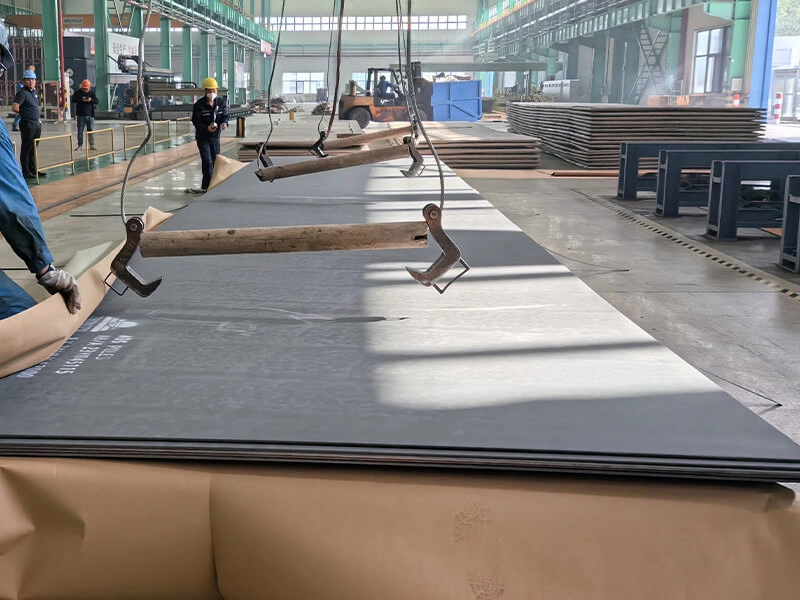
Corrosion is not just about ugly rust. It is a safety issue. It is a financial issue. When steel corrodes, it loses thickness and strength. This can lead to leaks, structural failures, and even sinkings. For a project contractor, this means liability and loss of reputation. For a wholesaler, it means your clients will not come back.
So, how do we fight this? It is not just about picking "any" steel. It requires specific metallurgy. Here is how we ensure our steel stands up to the ocean:
- Alloying Elements2: We use steel that contains specific elements like chromium, copper, and nickel. These elements form a protective layer on the steel’s surface. Think of it like an invisible shield. This shield slows down the chemical reaction that causes rust. It gives the steel a much longer life.
- Protective Coatings3: The steel is often treated with coatings. This can be anything from a simple primer to complex epoxy systems. These coatings create a physical barrier between the steel and the saltwater. For many of our clients in the Middle East, like Gulf Metal Solutions, the intense heat and humidity make this coating step critical.
- Grade Selection: Not all steel is created equal. For the most demanding parts of a ship, like the hull below the waterline, we recommend specific grades known for high corrosion resistance. This is where our expertise comes in. We help our clients choose the right tool for the job.
- Cathodic Protection4: This is a more technical point. Sometimes, the steel is paired with a more "active" metal, like zinc. This other metal corrodes first, sacrificing itself to protect the steel. It is an extra layer of defense built into the ship’s design.
I remember speaking with a buyer from Malaysia. He was frustrated because his previous steel started pitting after just one year in service. We worked with him to select a grade with a higher copper content. The difference in performance was night and day. That is why understanding corrosion resistance is not just technical knowledge. It is a promise of safety and longevity for your project.
Why is steel important in marine technology?
Think of a ship as a floating city. It has power plants, navigation systems, and living quarters. All of this advanced technology needs a stable, reliable platform to sit on. That platform is the steel hull and structure1.
Steel is the foundational platform for all marine technology. It provides the rigid, safe, and stable base required to support complex engines, navigation systems, and cargo handling equipment, allowing them to function reliably at sea.
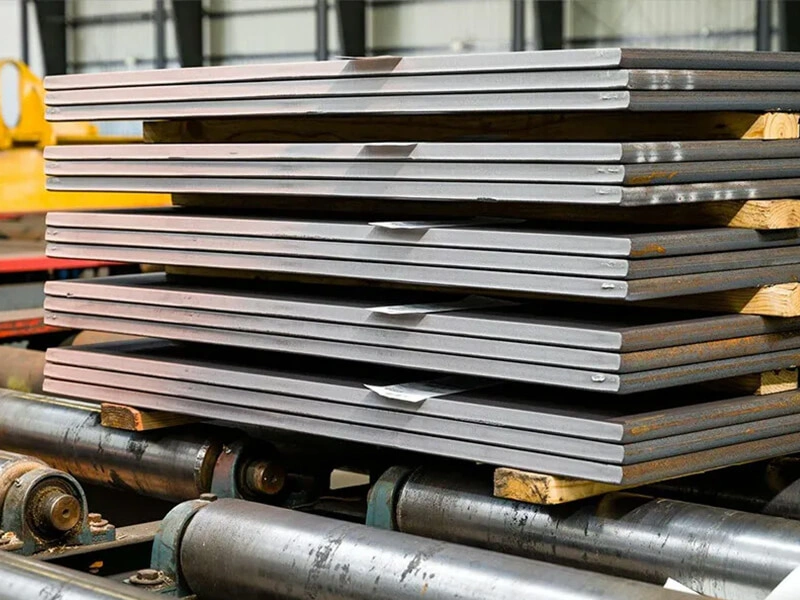
The role of steel goes far beyond just keeping water out. It is the skeleton that allows the ship to function as a high-tech machine. Here is how steel enables modern marine technology:
- Supporting Propulsion Systems2: The massive engines that power a ship generate incredible amounts of torque and vibration. The steel bed upon which they sit must be incredibly strong and rigid to absorb these forces. If the foundation flexes too much, it can misalign the drive shaft, leading to catastrophic failure. We provide the heavy-duty steel plates and sections that form these critical engine mounts.
- Enabling Cargo Handling3: On a container ship, the cranes and guide rails that stack and move thousands of containers are mounted directly onto the steel structure. These components require steel with exact dimensions and high strength to handle the dynamic loads of loading and unloading in port. Our marine angle steel and L-shaped sections are often used for these precise applications.
- Housing Navigation and Communication: A ship’s bridge is full of sensitive electronics. Radar, GPS, and communication arrays need a stable platform. The steel structure protects these systems from the elements and provides a consistent, grounded point for accurate readings. Any excessive movement or vibration in the steel can throw off these delicate instruments.
- Integrating Ballast and Fuel Systems4: Modern ships have complex systems for managing ballast water and fuel. These involve large tanks, pipes, and pumps, all integrated into the steel hull. The steel must be weldable and formable to create these complex, leak-proof compartments. Our bulb flat steel is frequently used to reinforce these tank structures.
A few years ago, a fabricator in Thailand was building a specialized oil tanker. They needed steel that could not only hold the oil but also support the complex piping and heating systems required to keep the oil fluid. They came to us because they needed a single supplier who could provide the plates for the tanks and the profiles for the pipe supports. That is the "one-stop" value in action. The steel does not just hold the oil; it holds the entire technological system together.
Which type of steel is most commonly used in shipbuilding due to its strength and durability?
You will hear a lot of numbers and grades in this business. It can get confusing. But if you ask any experienced shipbuilder what they use for most of the hull, the answer is usually the same.
The most common type is high-strength, low-alloy (HSLA) steel1, often referred to by classification society grades like AH36 or DH36. It provides significantly more strength than regular steel while remaining weldable and tough.
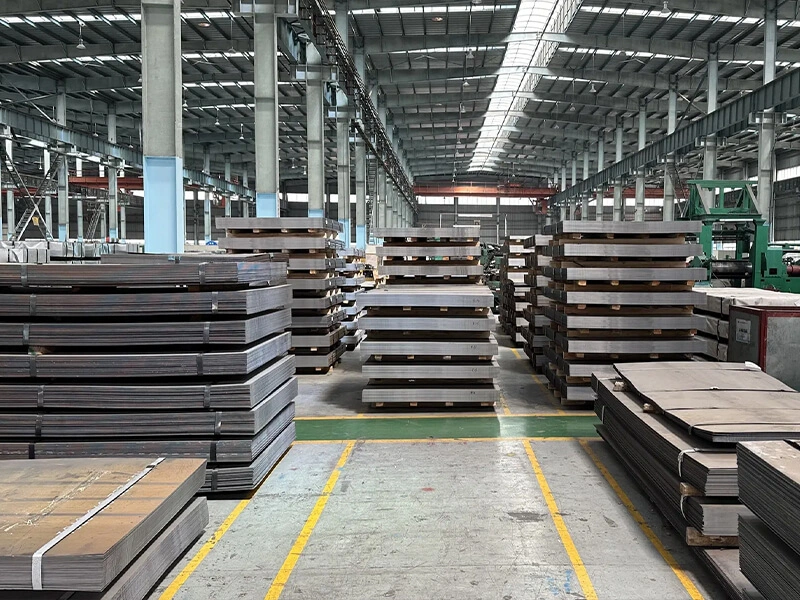
Let’s cut through the technical jargon. Regular steel, sometimes called mild steel, is fine for many things. But for a ship, we need something better without paying ten times the price. That is where HSLA steel comes in. It is the smart choice.
Here is a comparison table to show you why HSLA is the workhorse of the industry:
| Steel Type | Key Characteristics | Typical Use in Shipbuilding | My View on Its Use |
|---|---|---|---|
| Mild Steel (Grade A) | Good formability, lower cost, but lower strength. | Internal structures, bulkheads in less critical areas, superstructures. | It has its place, but for the main hull, you are leaving strength on the table. I only recommend it for non-critical parts. |
| High-Strength Steel (AH36, DH36, EH36) | Higher yield strength, good weldability, excellent toughness. | Hull plating, main deck, critical structural members. This is our bread and butter. | This is what I sell most of to my clients in Qatar and Romania. It allows them to build stronger ships with thinner plates, saving weight and fuel. It is the smart engineering choice. |
| Higher-Strength Steels (AH40, etc.)2 | Even higher strength, often used with special processing. | Extreme stress areas, like supports for very large container cranes or in icebreakers. | For most standard ships, this is overkill. But for specialized projects, it is essential. We can source it for our partners when needed. |
| Corrosion-Resistant Steel3 | Contains extra alloys to fight rust. | Tanks, areas exposed to constant saltwater splash, like the waterline band. | It costs a bit more, but the extended maintenance cycle often makes it cheaper in the long run. It is a favorite for our clients in humid climates like the Philippines and Myanmar. |
The key takeaway here is choice. A one-stop supplier does not just offer one type of steel. We offer the full spectrum. When Gulf Metal Solutions in Saudi Arabia needed plates for the hull and angle steel for internal bracing, we could provide both from certified mills. We made sure the AH36 plates and the structural angles were metallurgically compatible. This consistency is something you rarely get when buying from two different suppliers. It ensures the entire structure works together as one solid piece, not a collection of parts.
Conclusion
A reliable one-stop marine steel supply simplifies your work, ensures consistent quality, and protects your project from costly delays. It is the smart foundation for successful shipbuilding.
-
Explore the advantages of HSLA steel, which is crucial for building durable and efficient ships. ↩ ↩ ↩ ↩
-
Find out when to use higher-strength steels for specialized shipbuilding projects, ensuring safety and performance. ↩ ↩ ↩ ↩
-
Discover how corrosion-resistant steel can enhance the lifespan of ships, especially in harsh marine environments. ↩ ↩ ↩ ↩
-
Discover how steel is essential for the safe and efficient management of ballast and fuel systems on ships. ↩ ↩ ↩