
I remember standing in a shipyard last year. I saw a huge vessel half-built. Workers were waiting for steel plates that had not arrived. The whole project stopped. That delay costs thousands of dollars every day. This is why choosing the right steel supplier is not just about materials. It is about keeping your project on track.
One-stop marine steel supply matters for shipbuilding because it saves time, ensures material consistency, and reduces supply chain risks. When you work with a single supplier for all your marine steel needs, you avoid delays from multiple vendors and ensure every piece of steel meets the same quality standards.
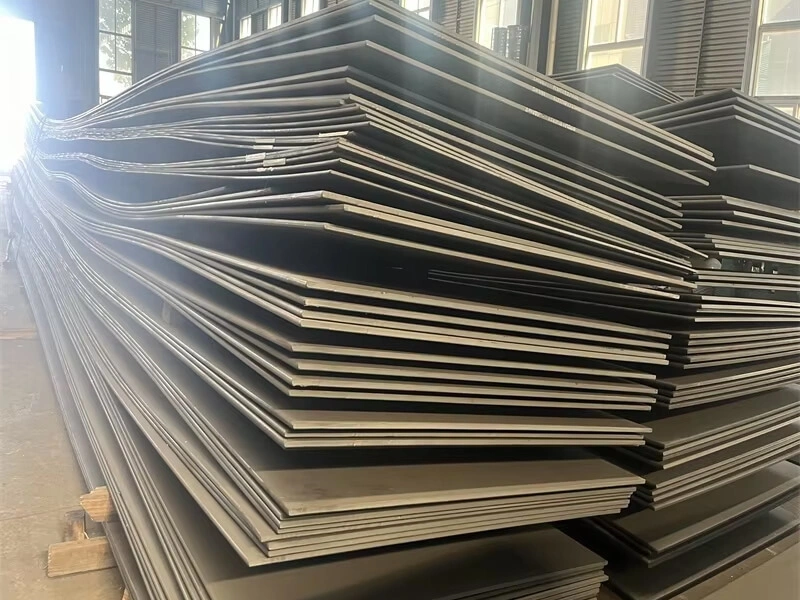
You might think buying from different suppliers gives you better prices. But let me share what I have learned from working with shipbuilders around the world. The hidden costs of managing multiple suppliers often eat up any savings. Let me show you why a single source makes more sense.
Why is steel used in shipbuilding?
I once asked a shipbuilder this question. He laughed and said, "What else would we use?" But the answer is not that simple. Steel is not the only material available. Wood, aluminum, and composites are all options. So why does steel dominate?
Steel is used in shipbuilding because it offers the best combination of strength, weight, and cost1. No other material provides the same structural integrity2 at a price that makes building large ships commercially viable.
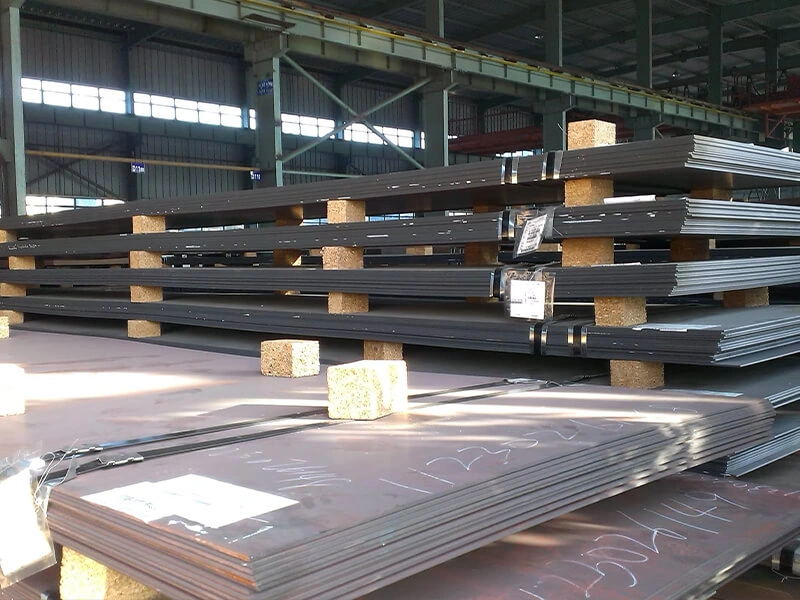
The Mechanical Properties That Make Steel Essential
Let me break down why steel works so well for ships. It comes down to three main factors.
First, consider strength-to-weight ratio. Ships need to be strong enough to carry cargo. But they also need to float. Steel gives you incredible strength without making the ship too heavy. A typical shipbuilding steel has a yield strength around 235 megapascals. That means it can handle enormous forces before it bends permanently.
Second, think about workability3. Shipyards need to cut, bend, and weld steel every day. Steel responds well to these processes. You can flame cut it. You can cold bend it. You can weld it in any position. This flexibility matters when you are building complex curved hull shapes.
Third, look at availability. Steel is produced everywhere. This global supply means you can find consistent quality in any major port city. Compare this to specialized composites that might only come from a few factories.
Here is a comparison of shipbuilding materials I have worked with:
| Material | Strength | Weight | Cost | Workability | Corrosion Resistance |
|---|---|---|---|---|---|
| Mild Steel | High | Heavy | Low | Excellent | Poor (needs coating) |
| Aluminum | Medium | Light | High | Good | Good |
| Fiberglass | Medium | Light | Medium | Difficult | Excellent |
| Wood | Low | Medium | Low | Good | Poor |
| High-Strength Steel | Very High | Medium | Medium | Good | Poor (needs coating) |
The table shows why steel remains the standard. Aluminum costs too much for large ships. Fiberglass works for small boats but not for bulk carriers. Wood rots and burns. Steel gives you the best balance.
I have seen shipyards try alternative materials. One client in Malaysia built a small patrol boat from aluminum. It worked well. But when they tried to scale up to a 50-meter vessel, the cost became prohibitive. They switched back to steel for the hull and only used aluminum for the superstructure.
Another factor is repair capability4. When a steel ship gets damaged, almost any port with basic welding equipment can fix it. Try repairing a composite hull in a remote Indonesian port. You will wait months for specialized materials and technicians.
Steel also behaves predictably. Engineers have studied its properties for over a century. When you design a steel ship, you know exactly how it will perform. This predictability reduces insurance costs and makes classification society approvals easier.
What property is particularly important for shipbuilding steel to ensure it can withstand harsh marine environments1?
A buyer from Qatar once asked me this question. He had received steel from another supplier that looked fine when it arrived. Six months later, problems started appearing. The steel showed signs of corrosion in places that should have lasted years. He wanted to know what went wrong.
The most important property for shipbuilding steel in marine environments1 is corrosion resistance, specifically through alloy composition and protective coatings. Steel must resist the constant attack of salt water, humidity, and marine atmosphere throughout the vessel’s 20-30 year service life.
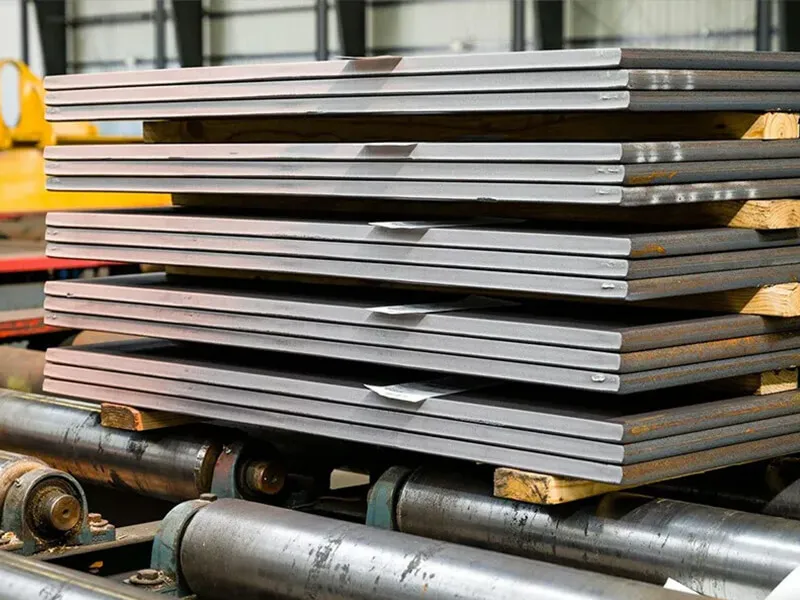
Understanding Corrosion Mechanisms in Marine Environments
Let me explain what happens to steel in the ocean. It is not just about rust. Multiple corrosion mechanisms attack ship steel simultaneously.
First, general corrosion happens everywhere. Salt water acts as an electrolyte. It carries electrons from anodic areas to cathodic areas on the steel surface. This process slowly eats away the metal. In calm seawater, mild steel might lose 0.1 to 0.2 millimeters per year. That does not sound like much. But over 20 years, that is 4 millimeters of thickness gone.
Second, pitting corrosion2 creates localized damage. Small areas corrode much faster than the surrounding surface. A tiny scratch in the coating can become a deep pit within months. I have seen pitting that went completely through 12-millimeter plates in less than five years.
Third, galvanic corrosion3 happens when different metals touch. Stainless steel fittings connected to mild steel hulls create a battery effect. The mild steel becomes the anode and corrodes rapidly. This is why proper isolation between metals matters so much.
Fourth, microbiologically influenced corrosion comes from bacteria. Certain bacteria in seawater produce acids or create conditions that accelerate corrosion. This is common in ballast tanks where water sits for long periods.
Fifth, stress corrosion cracking combines corrosion with mechanical stress. Highly stressed areas like weld joints can crack unexpectedly. This is dangerous because it happens without much visible warning.
To fight these corrosion mechanisms, shipbuilding steel uses several strategies.
The base steel itself can include alloying elements. Copper, chromium, and nickel improve corrosion resistance4. Many classification societies approve steels with specific alloy content for marine use. These "weathering steels5" form a stable rust layer that protects the underlying metal.
But alloying alone is not enough. Ships need protection systems. Here is what typical protection includes:
| Protection Method | How It Works | Typical Application | Lifespan |
|---|---|---|---|
| Epoxy Coatings | Physical barrier | Hull exterior, tanks | 5-10 years |
| Zinc-Rich Primers | Sacrificial protection | Primer layer | 10-15 years |
| Cathodic Protection | Electrical current | Underwater hull | Continuous |
| Stainless Steel Cladding | Noble metal layer | Critical areas | 20+ years |
| Increased Thickness | Corrosion allowance | Ballast tanks | Design life |
I learned about corrosion the hard way. Early in my career, I supplied steel for a small tanker going to Vietnam. The buyer specified standard grade steel with basic primer. I thought it would be fine. Two years later, they sent me photos. The ballast tanks looked like Swiss cheese. Pitting had eaten through in multiple places. We had to replace all the affected plates at our cost.
That experience changed how I advise customers. Now I always ask about the operating environment. Will the ship trade in tropical waters? Corrosion rates double for every 10-degree Celsius temperature increase. Will it carry aggressive cargoes? Some chemicals accelerate corrosion. Will it operate in polluted harbors? Industrial pollution creates acidic conditions.
The best approach combines multiple protection methods. Start with a steel grade suited for marine use. Apply high-quality coatings with proper surface preparation. Install cathodic protection systems. Design for easy inspection and maintenance. This layered approach gives the best results.
Why is steel important in marine technology?
Last month, I spoke with a project manager from the Philippines. He was building a series of inter-island cargo ships. He asked me why modern ships still use steel when new materials exist. His question made me think about how steel enables marine technology advances.
Steel is important in marine technology because it provides the foundation for innovation. Modern ship designs, advanced welding techniques, and complex structural calculations all rely on steel’s predictable and well-understood properties.
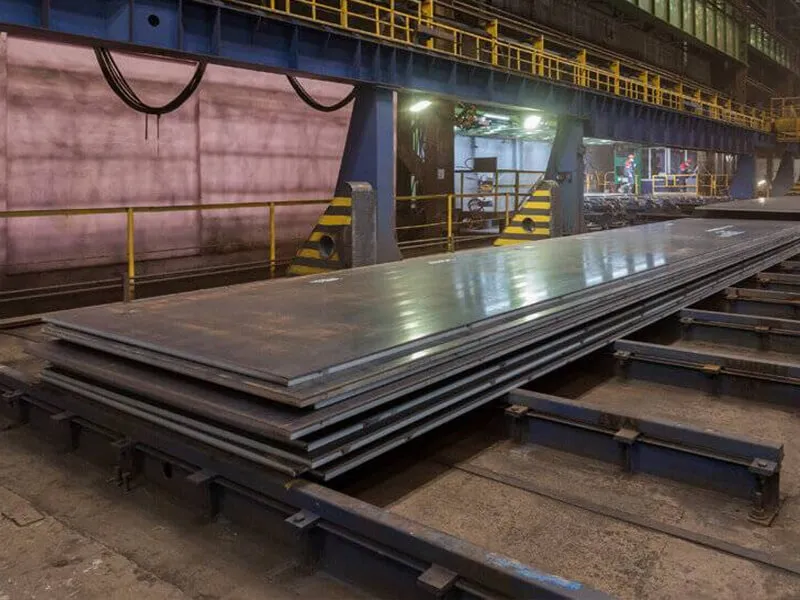
Steel’s Role in Enabling Marine Innovation
Let me walk you through how steel supports marine technology development. It goes far beyond just being a building material.
First, consider ship design evolution. Modern ships are much larger than older vessels. The largest container ships now carry over 20,000 TEU. That is twenty times what ships carried in the 1960s. This size increase is only possible because of high-strength steels1. These steels allow thinner plates that still provide enough strength. Thinner plates mean lighter structures. Lighter structures mean more cargo capacity.
Second, look at welding technology. Automated welding systems now produce perfect welds faster than human welders ever could. These systems work because steel welds consistently. The same parameters work today as they did yesterday. This repeatability enables production line shipbuilding.
Third, examine computational modeling2. Engineers can simulate ship structures with incredible accuracy. They know exactly how steel will behave under load because its properties are well-documented. This confidence allows them to optimize designs, removing weight where it is not needed and adding strength where it is.
Fourth, think about specialty vessels3. Liquefied natural gas carriers need materials that remain ductile at minus 162 degrees Celsius. Special steel grades maintain their toughness at these temperatures. Without these steels, we could not transport natural gas across oceans.
Fifth, consider environmental regulations. New rules require ships to be more fuel-efficient. Lighter ships use less fuel. Advanced high-strength steels1 help reduce weight while maintaining strength. Some modern steel grades are 30 percent stronger than traditional shipbuilding steels.
Here are some marine technology areas where steel plays a critical role:
| Technology Area | Steel Contribution | Example Application |
|---|---|---|
| Arctic Shipping | Low-temperature toughness | Ice-class vessels |
| Offshore Wind | Fatigue resistance | Foundation structures |
| Naval Vessels | Ballistic protection | Warship hulls |
| Deep-Sea Mining | Wear resistance | Dredger components |
| Green Shipping | Weight reduction | Fuel-efficient hulls |
I worked with a client in Thailand who builds oil tankers. They started using higher-strength steel for their new designs. The same ship that used to require 16-millimeter plates now uses 12-millimeter plates. The ship is lighter, carries more cargo, and uses less fuel. The technology to make this possible came from steel mills developing new grades with better properties.
Another example comes from the offshore industry. Jack-up rigs need legs that can support enormous weight while resisting wave forces. Special steel sections with high strength and good weldability make these structures possible. Without these steels, offshore wind installation would be much harder.
Steel also enables repair technology. Underwater welding techniques allow divers to repair ships without drydocking. These techniques work because steel responds predictably to welding, even underwater. This capability saves ship owners millions in lost operating time.
Which type of steel is most commonly used in shipbuilding due to its strength and durability?
A buyer from Saudi Arabia called me last week. He needed marine steel plates1 for a project in Dammam. He asked what grade he should specify. I told him the answer depends on his specific needs, but one grade dominates the market.
Mild steel, specifically grades like Grade A2, B, D, and E from classification society rules, is the most commonly used type in shipbuilding. These grades offer the right balance of strength, weldability, and cost for most vessel applications.
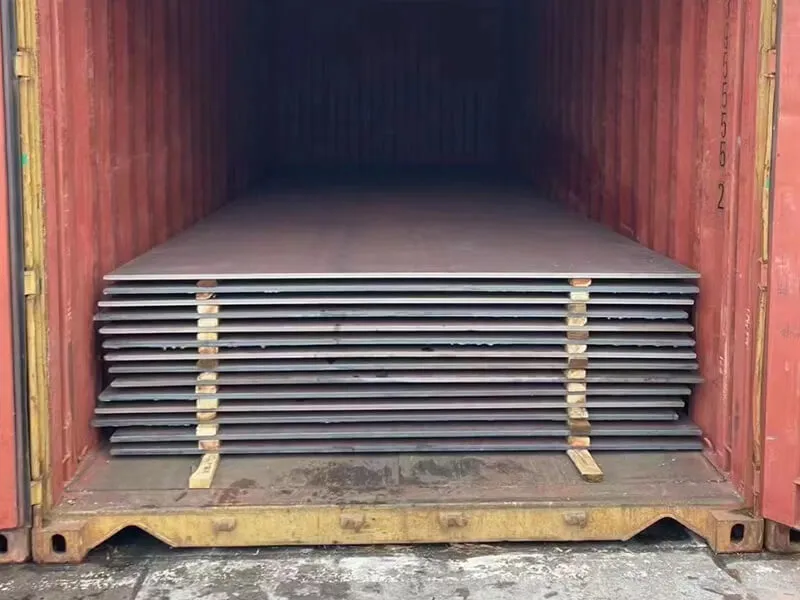
Understanding Shipbuilding Steel Grades and Their Applications
Let me explain the different steel grades you will encounter in shipbuilding. The choice matters more than most buyers realize.
Classification societies like Lloyd’s Register, DNV, and American Bureau of Shipping set the standards. They define steel grades based on mechanical properties and quality requirements. The most common system uses letters and numbers to indicate strength and toughness.
Ordinary strength steels include Grades A, B, D, and E. These have yield strengths3 around 235 megapascals. The letter indicates toughness at different temperatures. Grade A works for warm climates. Grade E handles Arctic conditions. Most ships use Grade A for the majority of the structure and Grade D or E for critical areas exposed to low temperatures.
Higher strength steels include Grades AH, DH, and EH with numbers like 32, 36, and 40. The numbers indicate minimum yield strength in kilograms per square millimeter. AH36, for example, has 355 megapascals yield strength. These steels allow thinner plates but cost more and require more careful welding.
Here is how these grades compare:
| Steel Grade | Yield Strength | Toughness Temperature | Typical Application | Relative Cost |
|---|---|---|---|---|
| Grade A | 235 MPa | 0°C | Interior structure, warm water ships | Base |
| Grade B | 235 MPa | -10°C | Shell plating, moderate climates | +5% |
| Grade D | 235 MPa | -20°C | Deck and bottom, cold climates4 | +10% |
| Grade E | 235 MPa | -40°C | Arctic vessels, critical areas | +20% |
| AH36 | 355 MPa | 0°C | High-stress areas, weight reduction | +30% |
| DH36 | 355 MPa | -20°C | Offshore structures | +40% |
| EH36 | 355 MPa | -40°C | Ice-class vessels | +50% |
I learned about grade selection when working with a client in Mexico. They were building fishing boats for the Pacific coast. The water there is warm year-round. They specified Grade A throughout. This made sense. But then they wanted to expand to vessels for the North Atlantic. The same grade would not work there. Cold water makes steel brittle. A Grade A hull could crack in North Atlantic winter conditions.
For the North Atlantic boats, they needed at least Grade D for the shell plating. Some critical areas needed Grade E. The cost increased, but the alternative was hull failure.
Another lesson came from a project in Russia. The client wanted to build vessels for Arctic service. Standard grades would not work. They needed special low-temperature steels with guaranteed toughness at minus 50 degrees Celsius. These steels require specific chemistry and heat treatment. Not every mill can produce them.
The choice between ordinary and higher strength steel involves trade-offs. Higher strength steel saves weight. A deck that needs 20 millimeters of ordinary steel might only need 15 millimeters of AH36. That weight saving adds up across the whole ship. But higher strength steel costs more per ton. It also requires more careful welding. Preheat might be necessary. Special electrodes might be required.
I always advise clients to consider their whole situation. A ship trading in tropical waters with no weight constraints does fine with ordinary steel. A container ship trying to maximize cargo capacity benefits from higher strength steel. An Arctic supply vessel needs special low-temperature grades.
The welding aspect matters too. Some shipyards have equipment and procedures set up for certain grades. Changing grades means requalifying welding procedures. That takes time and money. If a yard is set up for Grade A, switching to AH36 creates extra work.
Conclusion
One-stop marine steel supply simplifies shipbuilding by providing consistent quality, expert guidance on grade selection, and reliable delivery that keeps projects moving forward without costly delays.
-
Explore the importance of marine steel plates in shipbuilding and their specific applications. ↩ ↩ ↩ ↩ ↩ ↩
-
Learn about the applications and benefits of Grade A steel in various marine environments. ↩ ↩ ↩ ↩
-
Get insights into the yield strengths of various steel grades and their implications for ship design. ↩ ↩ ↩ ↩
-
Explore how different steel grades perform in cold climates and their importance for vessel safety. ↩ ↩ ↩
-
Find out how weathering steels enhance corrosion resistance and extend the lifespan of ships. ↩