
Walking through a shipyard in Vietnam, I noticed every angle steel component was hot rolled. This manufacturing choice directly impacts vessel quality and construction efficiency.
Shipbuilders prefer hot rolled marine angle steel for its superior toughness, better weldability, cost-effectiveness, and proven performance in marine environments. The hot rolling process preserves the steel’s inherent ductility and impact resistance, making it ideal for ship frames and structural components facing dynamic ocean loads.
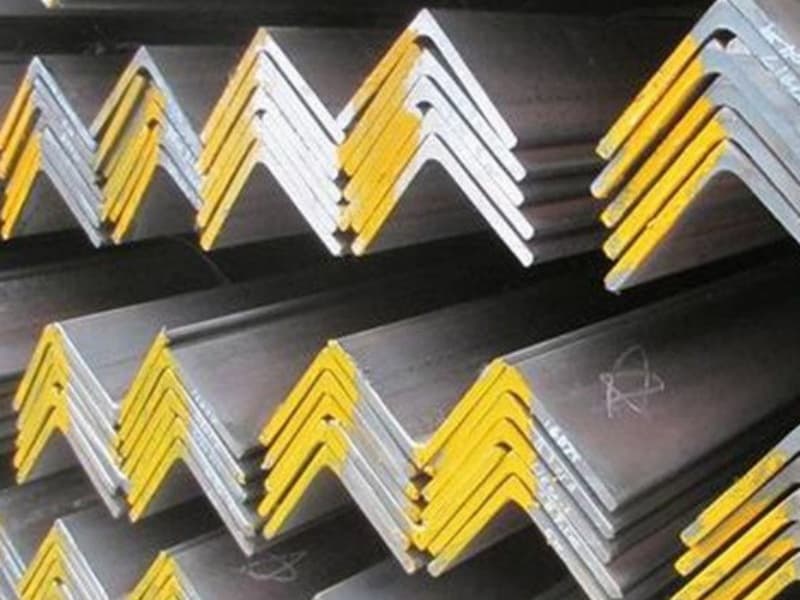
Understanding why hot rolled angle steel dominates shipbuilding helps make informed material decisions. Let me explain the technical and practical advantages.
What are the advantages of hot rolled steel?
A shipyard in Saudi Arabia once experimented with cold formed angles. The results highlighted why hot rolling remains the preferred choice.
Hot rolled steel1 offers better toughness, superior impact resistance, easier welding characteristics, and lower production costs compared to cold formed alternatives. These advantages make it ideal for shipbuilding where structural integrity, fabrication efficiency, and material reliability are critical for vessel safety and performance.
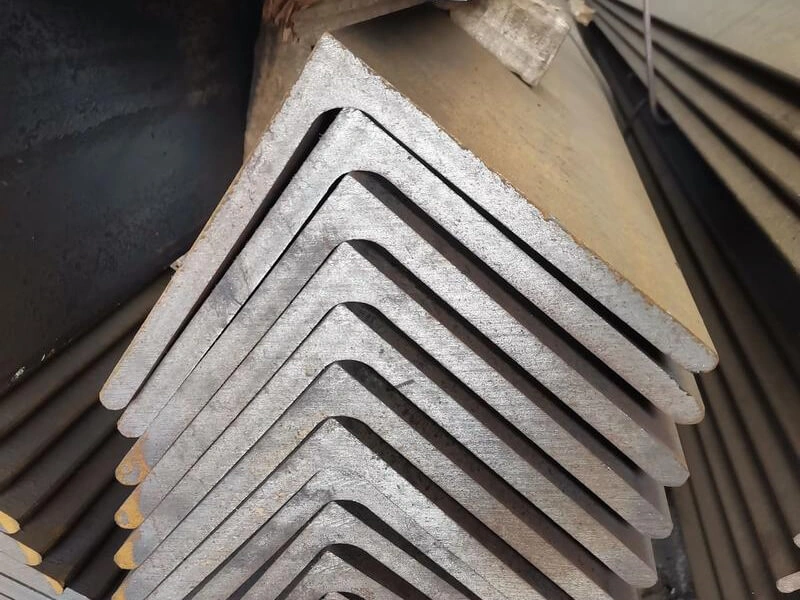
Comprehensive Benefits of Hot Rolled Steel
Hot rolled steel1 provides multiple advantages that specifically address the demanding requirements of shipbuilding and marine applications.
Enhanced Toughness and Ductility2
Hot rolling occurs above the steel’s recrystallization temperature. This process preserves the material’s natural ductility. The steel can deform plastically under impact loads. This property is crucial for ship structures facing wave impacts and collision scenarios. The material absorbs energy without brittle fracture.
Superior Weldability Characteristics3
Hot rolled steel1 has optimized chemical composition for welding. The lower carbon equivalent reduces cracking risks. Common welding methods work effectively without special procedures. Weld joints maintain strength matching the base metal. This simplifies construction and reduces inspection requirements. Shipyards complete welding operations faster and more reliably.
Cost Effectiveness4
Hot rolling has lower production costs than cold forming. The process uses less energy because it works with heated steel. Fewer processing steps reduce manufacturing expenses. The efficiency translates to competitive pricing for shipbuilders. This cost advantage is significant for projects requiring large quantities of steel.
Better Impact Resistance5
Hot rolled steel1 maintains excellent impact properties. The controlled cooling creates favorable microstructures. The material withstands dynamic loading conditions effectively. This is essential for ship structures experiencing wave slamming and other impact loads. The reliability ensures long-term structural integrity.
Size and Thickness Flexibility6
Hot rolling can produce larger sections and thicker materials. Angles up to 200x200mm are readily available. Thickness can reach 25mm or more for heavy applications. This flexibility supports diverse structural requirements. Cold forming has more limited size capabilities.
Surface and Scale Benefits
The mill scale on hot rolled steel provides temporary corrosion protection. This scale prevents rust during storage and fabrication. The surface accepts various coating systems effectively. The slightly rough texture improves paint adhesion. Shipyards can delay final surface treatment until after fabrication.
Hot Rolled Steel Advantage Analysis
| Advantage | Technical Basis | Shipbuilding Benefit |
|---|---|---|
| Toughness | Preserved ductility | Better impact resistance |
| Weldability | Lower carbon equivalent | Faster construction |
| Cost | Fewer processing steps | Lower project costs |
| Size Range | Hot deformation capability | Design flexibility |
| Surface | Mill scale protection | Temporary corrosion resistance |
We supply hot rolled angles to shipyards worldwide. Clients in Qatar and Philippines confirm these advantages in their construction projects.
What is the best steel for ship building?
A naval architect from Mexico needed to select optimal materials for their new vessel design. The choice involved balancing multiple performance factors.
AH36 marine steel1 is considered the best general-purpose choice for shipbuilding due to its optimal balance of 355 MPa yield strength, good toughness, excellent weldability, and cost-effectiveness. For specific applications, DH362 offers enhanced low-temperature toughness while higher grades provide additional strength for weight-critical structures.
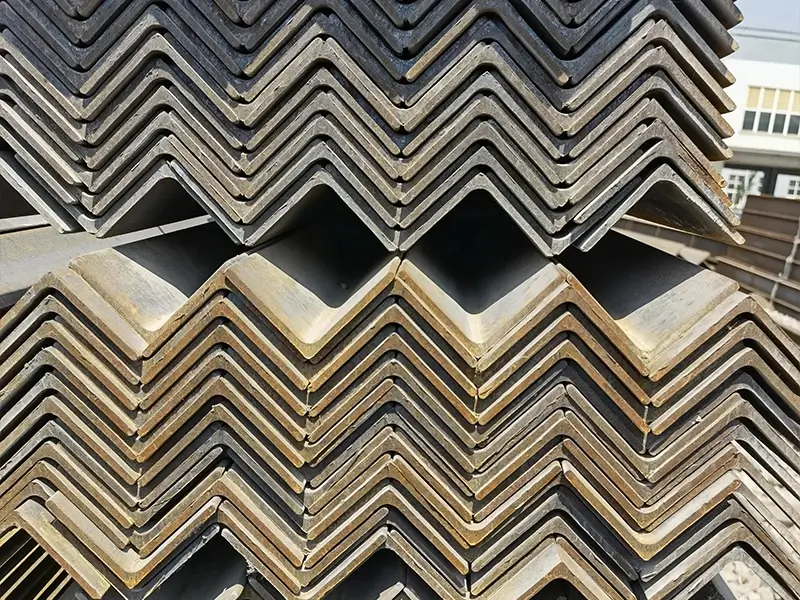
Optimal Steel Selection for Shipbuilding
The "best" steel depends on vessel type, operating environment, and specific structural requirements. Different grades serve different purposes in ship construction.
AH36 – The Workhorse Grade
AH36 serves as the baseline for most commercial shipbuilding. It offers 355 MPa yield strength with adequate toughness. The grade undergoes impact testing at 0°C temperature. It provides good balance between cost and performance. Most ship structures use AH36 for primary components. The grade meets requirements for tropical and temperate waters.
DH362 – Enhanced Toughness
DH362 provides better low-temperature performance than AH36. Impact testing occurs at -20°C instead of 0°C. This makes it suitable for vessels operating in colder waters. The mechanical strength remains identical to AH36. The improved toughness comes from tighter composition control. Many owners specify DH362 for enhanced safety margins.
EH363 – Maximum Toughness
EH363 offers the highest toughness among standard shipbuilding steels. Impact testing takes place at -40°C temperature. This grade is essential for arctic and ice-class vessels. The material withstands extreme low temperatures without brittle fracture. While strength remains at 355 MPa, production requires more careful processing.
Higher Strength Options4
Advanced grades reduce structural weight when needed. AH40 and DH40 provide 390 MPa yield strength. EH40 maintains this strength with -40°C toughness. These grades allow thinner sections and weight savings. The applications include weight-critical vessel areas. The cost premium is justified for specific performance requirements.
Chemical Composition Considerations5
All marine grades maintain strict chemical controls. Carbon content affects strength and weldability. Manganese enhances strength and toughness. Micro-alloying elements refine grain structure. Impurity controls ensure consistent performance. The composition determines the grade capabilities and applications.
Classification Society Requirements6
All shipbuilding steels require society approval. ABS, DNV, LR, and BV set material standards. Certification involves mill audits and product testing. Regular surveillance ensures ongoing compliance. The process guarantees material quality and reliability for marine service.
Shipbuilding Steel Selection Guide
| Grade | Yield Strength | Impact Test Temperature | Best Applications |
|---|---|---|---|
| AH36 | 355 MPa | 0°C | Tropical and temperate waters |
| DH362 | 355 MPa | -20°C | Colder operating areas |
| EH363 | 355 MPa | -40°C | Arctic and ice-class vessels |
| AH40 | 390 MPa | 0°C | Weight-critical structures |
| DH40 | 390 MPa | -20°C | High strength, cold environments |
We help clients select the appropriate grade for their specific needs. Projects in Thailand and Malaysia achieve optimal performance through proper material selection.
What is the difference between hot rolled steel and cold formed steel?
A fabricator from Romania considered cold formed angles for cost savings. Understanding the differences prevented a compromise in quality.
Hot rolled steel is formed above recrystallization temperature, preserving toughness and ductility, while cold formed steel is shaped at room temperature, increasing strength but reducing ductility through work hardening. For shipbuilding, hot rolled steel’s maintained toughness and better weldability make it superior despite cold formed steel’s higher strength potential.
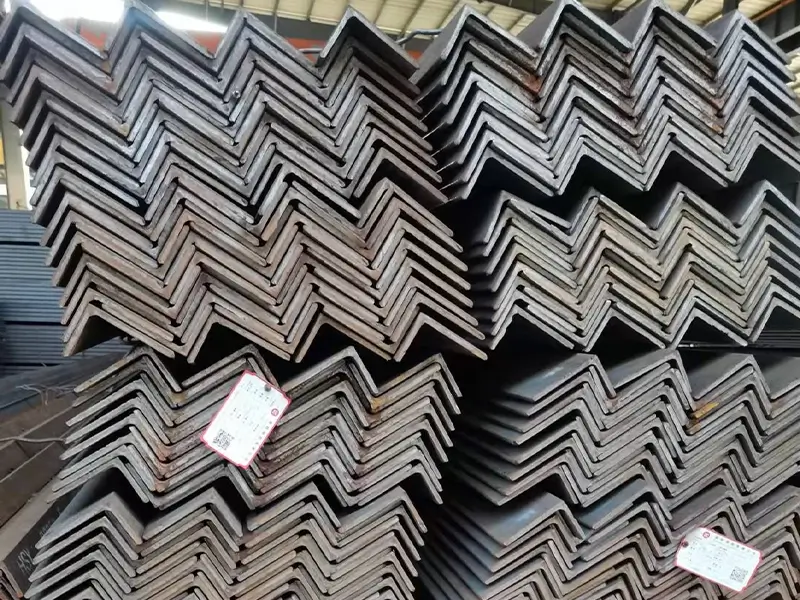
Fundamental Manufacturing Differences and Implications
The choice between hot rolled and cold formed steel involves fundamental metallurgical differences that significantly affect material performance in marine applications.
Manufacturing Process Comparison
Hot rolling occurs at temperatures above 1000°C. The steel is plastic and easily shaped. Recrystallization occurs simultaneously with deformation. This preserves the material’s grain structure and properties. Cold forming works at room temperature. The steel is forced into shape through mechanical deformation. Strain hardening increases strength but reduces ductility.
Metallurgical Structure Effects
Hot rolled steel has an equiaxed grain structure. The grains are relatively uniform in size and distribution. This structure provides balanced strength and toughness. Cold formed steel shows elongated grains with high dislocation density. The structure contains significant residual stresses. These differences affect both mechanical properties and corrosion resistance.
Mechanical Property Variations
Hot rolled steel typically has yield strength from 235 to 355 MPa. The material maintains good elongation values around 20-25%. Cold formed steel can achieve yield strengths from 280 to 550 MPa. However, elongation drops significantly to 1-5%. This tradeoff is generally unacceptable for ship structures.
Weldability and Fabrication
Hot rolled steel welds easily with common processes. Preheating is rarely required except for very thick sections. Cold formed steel welding may need special procedures. Post-weld heat treatment might be necessary to relieve stresses. The simpler welding of hot rolled steel reduces construction time and costs.
Impact Resistance Performance
Hot rolled steel maintains excellent impact resistance. The material can absorb significant energy before fracture. This is crucial for ship structures facing dynamic loads. Cold formed steel has limited impact resistance due to work hardening. The material is more prone to brittle fracture under impact conditions.
Cost and Production Considerations
Hot rolling is more efficient for large structural sections. Production rates are higher for equivalent equipment size. Cold forming requires multiple passes for significant deformation. The slower process increases costs, especially for thick sections. The economic advantage favors hot rolling for shipbuilding quantities.
Performance Comparison Table
| Parameter | Hot Rolled Steel | Cold Formed Steel | Marine Significance |
|---|---|---|---|
| Manufacturing Temperature | >1000°C | Room temperature | Toughness preservation |
| Grain Structure | Equiaxed, uniform | Elongated, stressed | Crack resistance |
| Yield Strength | 235-355 MPa | 280-550 MPa | Adequate for most applications |
| Elongation | 20-25% | 1-5% | Impact performance |
| Weldability | Excellent | Requires care | Construction efficiency |
| Cost Factor | Lower | Higher | Project economics |
Shipyards in Pakistan and Myanmar consistently choose hot rolled steel for these fundamental advantages. Their experience confirms the technical superiority for marine applications.
Which type of steel is most commonly used in shipbuilding due to its strength and durability?
A shipowner from Saudi Arabia needed to standardize their fleet specifications. AH36 emerged as the optimal choice for their trading routes.
AH36 marine steel is the most commonly used type in shipbuilding due to its optimal balance of 355 MPa yield strength, good toughness, excellent weldability, and cost-effectiveness. It serves as the workhorse grade for hull plates, frames, and structural components in most commercial vessels operating in tropical and temperate waters worldwide.

AH36 Steel Dominance in Commercial Shipbuilding
AH36 has become the industry standard for commercial vessel construction through its proven performance, availability, and economic advantages across multiple ship types and operating conditions.
Strength and Durability Performance
AH36 offers 355 MPa minimum yield strength. This strength level meets most structural requirements for commercial vessels. Tensile strength ranges from 490-620 MPa providing good safety margins. Elongation exceeds 20% ensuring adequate ductility for forming operations. The balanced properties handle typical marine loads effectively throughout the vessel’s service life.
Toughness Characteristics
AH36 undergoes Charpy V-notch testing at 0°C. The minimum impact energy is 34 joules. This toughness level suits most commercial shipping routes excluding extreme cold environments. The material withstands normal wave impacts and dynamic loading conditions. The reliability has been proven through decades of service experience.
Weldability Advantages
The chemical composition ensures excellent weldability characteristics. Carbon equivalent typically stays below 0.41%. Common welding methods like SMAW, GMAW, and FCAW work effectively. Preheating is rarely required for standard thicknesses. Repair welding performs reliably throughout the vessel’s operational life. These features support efficient new construction and maintenance.
Cost-Effectiveness and Availability
AH36 provides the best cost-to-performance ratio among marine grades. Production costs are lower than higher toughness grades. Availability is excellent from multiple mills worldwide. The competitive pricing supports economic vessel construction and operation. Lifecycle costs remain reasonable with proper maintenance and corrosion protection.
Classification Society Acceptance
All major classification societies approve AH36 for shipbuilding applications. ABS, BV, DNV, and LR have established requirements and certification processes. Mutual recognition between societies facilitates international vessel operations and port state control acceptance. This widespread approval supports global trading capabilities.
Application Versatility
AH36 serves effectively in multiple hull areas and vessel types. It works well for shell plating, deck structures, and bulkheads. The grade suits bulk carriers, container ships, tankers, and general cargo vessels. This versatility simplifies material planning, procurement, and inventory management for shipyards and owners.
AH36 Application Statistics
| Vessel Type | AH36 Usage Percentage | Primary Applications | Special Considerations |
|---|---|---|---|
| Bulk Carriers | 85-90% | Hull plating, frames | Corrosion allowance |
| Container Ships | 80-85% | Shell, deck structures | Fatigue strength |
| Oil Tankers | 75-80% | Plating, bulkheads | Crack resistance |
| General Cargo | 90-95% | Most structural components | Economic construction |
| Offshore Support | 70-75% | Hull, deck frames | Special area upgrades |
We supply AH36 materials to shipyards across our export markets. Clients in Vietnam and Romania achieve reliable performance and regulatory compliance using this established grade.
Conclusion
Hot rolled marine angle steel remains the preferred choice for shipbuilding due to its optimal combination of toughness, weldability, and cost-effectiveness. These advantages directly support efficient construction and reliable vessel performance in marine environments.
-
Explore the advantages of AH36 marine steel, known for its balance of strength and weldability, essential for shipbuilding. ↩ ↩ ↩ ↩ ↩
-
Learn how DH36 enhances safety with better low-temperature performance, making it ideal for colder environments. ↩ ↩ ↩ ↩ ↩ ↩
-
Discover why EH36 is crucial for arctic and ice-class vessels, offering maximum toughness in extreme conditions. ↩ ↩ ↩ ↩
-
Find out how higher strength options like AH40 and DH40 can reduce weight and improve performance in ship design. ↩ ↩
-
Understand the impact of chemical composition on the strength and weldability of marine steels, crucial for shipbuilding. ↩ ↩
-
Explore the standards set by classification societies to ensure the quality and reliability of shipbuilding materials. ↩ ↩