
You send an inquiry. The supplier replies a week later. Then the steel arrives with rust and wrong dimensions.
International buyers expect four things from Chinese suppliers: proper certifications and documents, fast responses and delivery, clear communication with after-sales support, plus strict packaging and loading standards.
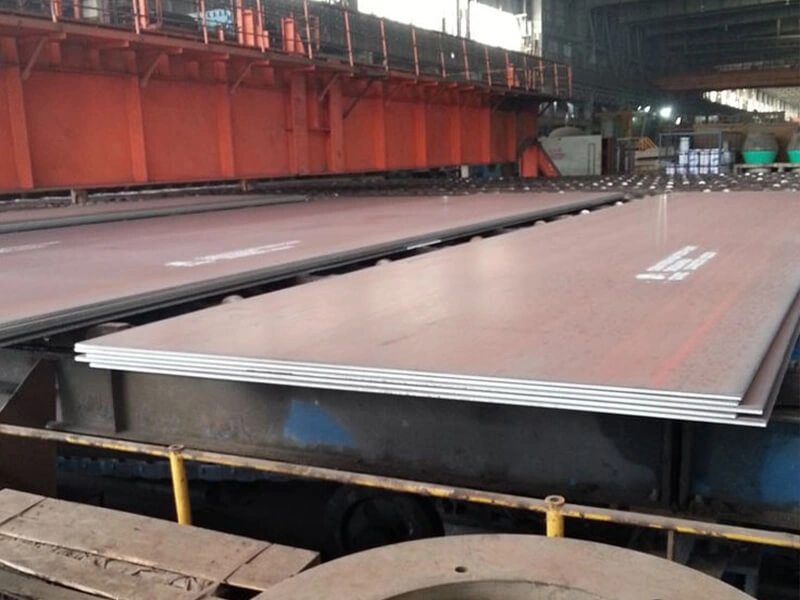
I have talked to buyers from Vietnam, Saudi Arabia, Mexico, and the Philippines. They all tell me the same story. Some Chinese suppliers promise everything. Then they deliver nothing. I have learned what buyers really want. Let me share those expectations with you. You can use this list to check your own supplier.
What Certifications and Quality Documents Do Buyers Require Before Shipment?
No certificate means no trust. Buyers cannot check every piece of steel themselves. So they rely on documents.
Buyers require a valid Mill Test Certificate (MTC)1 with matching heat numbers, classification society approval2 (ABS, DNV, LR, etc.), and third-party inspection support3 like SGS or BV.
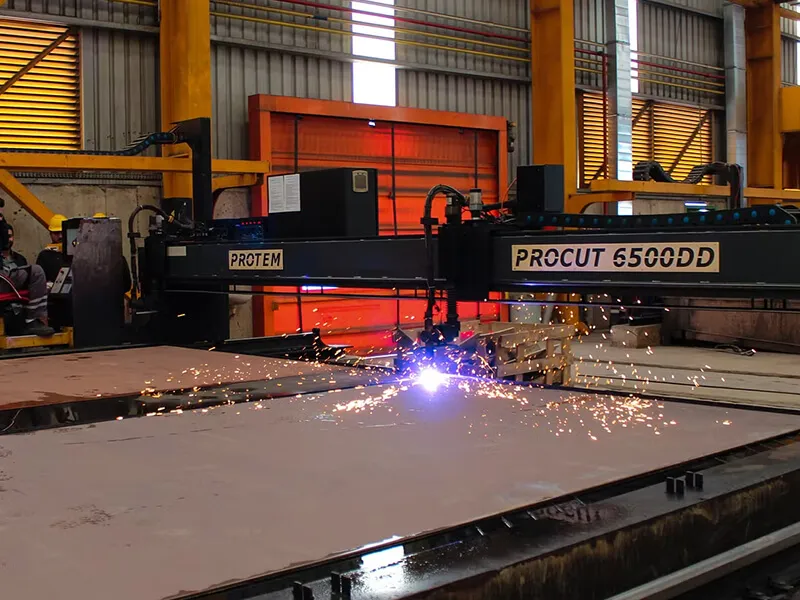
The documents that open the door to global buyers
I remember a buyer from Malaysia. He almost lost a big contract because his supplier could not provide a DNV certificate. The buyer had to find a new supplier in two weeks. That is when he called me. I sent him the certificates within one day. He got his contract.
So let me break down what buyers really need.
First, the Mill Test Certificate (MTC). This is not a nice-to-have. It is a must. A real MTC shows the heat number, chemical composition, and mechanical properties. Buyers use the heat number to trace the steel back to the original mill. If the heat number is missing or fake, the buyer will reject the whole shipment.
Here is what buyers check on an MTC:
| Item on MTC | Why Buyers Care |
|---|---|
| Heat number | Matches the steel physically stamped |
| Chemical composition (C, Mn, Si, P, S) | Ensures weldability and corrosion resistance |
| Yield strength | Minimum strength for ship structure |
| Tensile strength | Maximum load before breaking |
| Elongation | Ductility for bending and forming |
| Mill stamp and signature | Proves authenticity |
Second, classification society approval. Different buyers need different approvals. A buyer building an oil tanker needs BV or DNV. A buyer building a bulk carrier needs ABS or LR. I always ask my clients: “Which society does your project require?” Then I match the mill to that approval.
| Buyer Location | Common Ship Type | Required Approval |
|---|---|---|
| Saudi Arabia | Oil tankers | BV, DNV, ABS |
| Vietnam | Bulk carriers | LR, ClassNK |
| Philippines | Container ships | ABS, NK |
| Mexico | General cargo | CCS, RINA |
| Qatar | LNG carriers | DNV, BV |
Third, third-party inspection support. Buyers do not always trust the supplier’s own inspection. They want an independent check. SGS, TÜV, or Bureau Veritas can test the steel at the loading port. I offer this to every client. Some take it. Some do not. But the buyers who use it feel much safer.
One of my clients from Saudi Arabia uses SGS for every order. He told me that one SGS report4 saved him from a bad supplier before he found me. That is real value.
How Fast Do Buyers Expect Responses and Delivery from Chinese Suppliers?
Slow replies kill deals. Buyers have production schedules. They cannot wait three days for a simple answer.
Buyers expect a response within 24 hours (ideally same day) and delivery within 2 to 4 weeks for stock sizes. Faster is better.
[^1]](https://cnmarinesteel.com/wp-content/uploads/2026/01/Marine-steel-plate-29.webp)
Speed separates good suppliers from bad ones
I have a client from the Philippines. He told me his old supplier took five days to reply to a simple question about thickness tolerance. He lost one week just waiting. Then he found me. I replied in two hours. He placed a trial order that same week.
So speed matters. Here is how buyers measure it.
First, response time2. Buyers send an inquiry. They expect a reply within one business day. I reply within two hours during my working hours. If a buyer emails me at night, they get a reply the next morning. I also use WhatsApp for urgent questions. That speed builds trust.
Here is what buyers expect:
| Communication Type | Expected Time | What I Do |
|---|---|---|
| Initial inquiry reply | Within 24 hours | Reply in 2 hours |
| Quote request | Within 48 hours | Send quote in 6 hours |
| Technical question | Within 24 hours | Answer in 4 hours |
| After-sales issue | Within 12 hours | Dedicated rep in 2 hours |
Second, delivery time3. Buyers do not want to wait two months for steel. Most buyers need the material in 3 to 4 weeks. I keep stock of popular marine steel plate sizes in Liaocheng. That means I can ship within 7 to 10 days for many orders. For non-stock sizes, I work with my mill partners to produce and ship within 3 to 4 weeks.
| Order Type | Typical Delivery Time from Payment |
|---|---|
| Stock size, small quantity (under 100 tons) | 7-10 days |
| Stock size, large quantity (100-500 tons) | 10-15 days |
| Mill production, standard grade | 20-25 days |
| Mill production, special grade or size | 30-35 days |
Third, speed during problems4. Things go wrong sometimes. A ship is delayed. A document is missing. Buyers expect fast help. I remember a client from Mexico. His container got held at customs because of a missing packing list. He called me at 9 PM my time. I sent the corrected document in 30 minutes. His container cleared the next morning. That client still buys from me today.
Why Is Clear Communication and After-Sales Support a Top Expectation?
Language barriers and silence after payment are the biggest complaints from international buyers.
Buyers expect a dedicated English-speaking contact1 person, regular updates2 during production and shipping, and real support after the steel arrives.
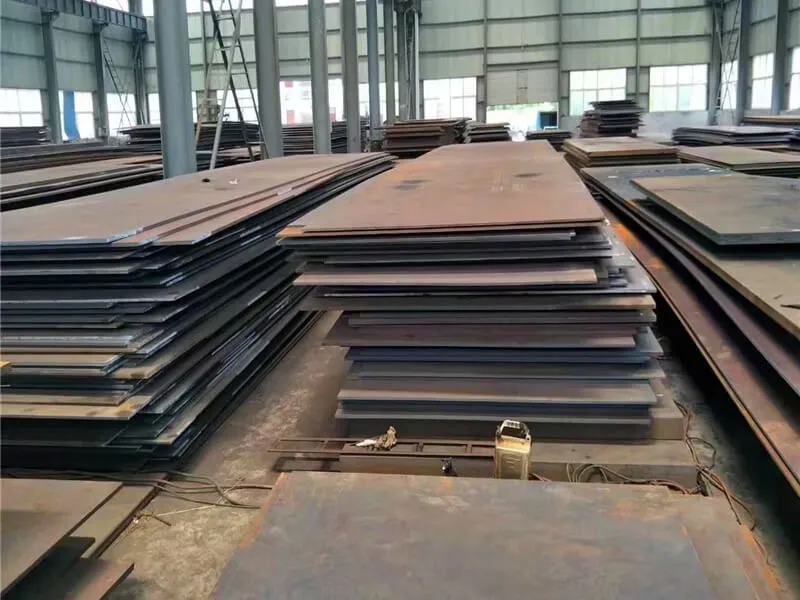
What buyers really mean by “good communication”
I had a buyer from Saudi Arabia. He told me his previous Chinese supplier stopped answering emails after he paid the deposit. He had no idea if the steel was produced or shipped. He felt helpless. That is why he switched to me.
So let me show you what good communication looks like.
First, a dedicated English-speaking contact. Buyers do not want to talk to a different person every time. They want one person who knows their order. I assign one sales rep to each client. That rep speaks fluent English. They also know the technical details of marine steel plates. When a buyer asks about tolerance or coating, the rep answers directly. No need to check with a manager.
Second, regular updates. Buyers want to know what is happening. I send my clients a simple update every three days:
- Day 1: Order confirmed, mill scheduled
- Day 5: Steel produced, photos sent
- Day 7: Quality check done, MTC ready
- Day 10: Loaded into container, photos of packaging
- Day 12: Ship departed, BL sent
One client from Vietnam told me that these updates saved him from calling me every day. He just checked his email and saw the progress.
Third, after-sales support3 that actually helps. After the steel arrives, buyers may have questions. Some steel has small surface rust from sea air. Some documents need correction for customs. A good supplier helps with these problems.
Here is a table of common after-sales issues and what buyers expect:
| Issue | Buyer Expectation | My Solution |
|---|---|---|
| Surface rust after voyage | Supplier advises how to clean or accepts return | I send cleaning guide and discount on next order |
| Missing or wrong document | Supplier provides corrected document within 24 hours | I keep all document templates ready |
| Steel does not fit (wrong dimension) | Supplier replaces or refunds | I accept return for out-of-tolerance steel |
| Customs clearance question | Supplier provides local language support or translation | I prepare invoices and packing lists in buyer’s language |
I had a client from the Philippines. He received a shipment with light surface rust. He was worried. I sent him a simple guide: use a wire brush and then apply primer. The rust was only cosmetic. He saved the steel and saved money. That client now orders from me every quarter.
What Packaging and Loading Standards Do International Buyers Demand?
Poor packaging destroys good steel. Buyers have received rusted, bent, or scratched steel too many times.
Buyers demand waterproof wrapping, edge protectors1, steel straps, and loading supervision2. They also want photos or videos of the packaging process.
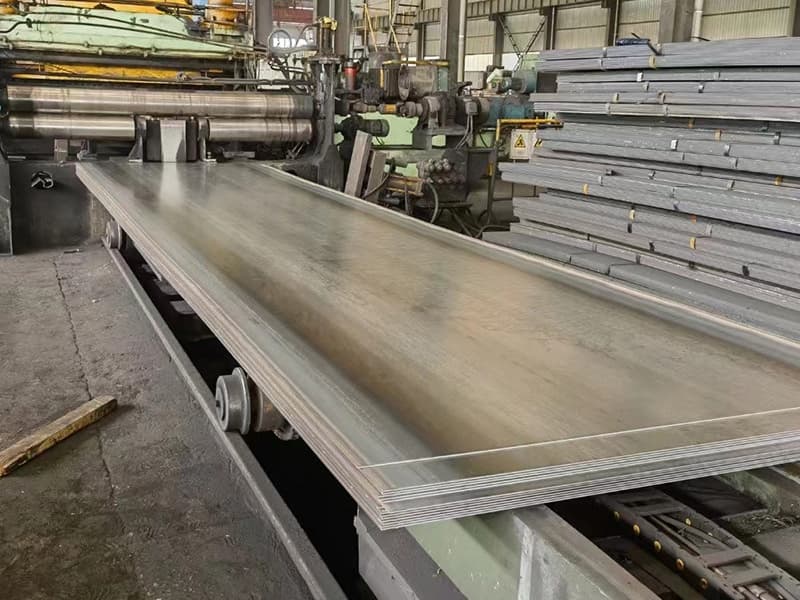
How packaging decides if you get repeat orders
I remember a buyer from Mexico. His first order from a different supplier arrived with torn wrapping and wet steel. The straps had cut into the edges. He lost 15% of the material. When he ordered from me, he asked to see packaging photos3 before shipment. I sent him 20 photos. He approved. The steel arrived clean. He has ordered from me five more times.
So packaging is not a detail. It is the difference between a one-time buyer and a long-term partner.
First, the three-layer packaging standard4. International buyers expect this. Do not skip any layer.
| Layer | Material | Why Buyers Care |
|---|---|---|
| 1. Inner wrap | VCI paper or rust-preventive film | Stops moisture from touching steel |
| 2. Middle wrap | Waterproof PE sheet or tarpaulin | Blocks rain and sea spray |
| 3. Outer binding | Steel straps + plastic or metal edge protectors | Keeps bundle tight, prevents cuts |
I use all three layers for every sea shipment. It costs a little more. But my clients in Vietnam, Saudi Arabia, and Malaysia receive steel that looks as good as the day it left my warehouse.
Second, loading supervision. Buyers want to know that the steel went into the container or onto the flat rack correctly. They expect:
- Wood or rubber dunnage between steel and container walls
- Even weight distribution (no heavy load on one side)
- No overloading beyond container capacity
- Straps tightened and checked
- Photos taken at each stage
I supervise every loading myself or send a staff member. I also share a loading report5 with my clients. That report has 10 to 15 photos showing the packaging, the loading, and the sealed container.
Third, documentation of packaging and loading. Buyers often ask for these items before they release the final payment:
| Document or Evidence | What It Shows |
|---|---|
| Packaging photos (before loading) | Wrapping, straps, edge protectors |
| Loading photos (during loading) | Dunnage, weight distribution, strapping |
| Container seal number photo | Unbroken seal for customs |
| Packing list with bundle details | Quantity per bundle, total weight |
One of my clients from Qatar told me that he rejected a previous supplier because they sent no loading photos. He said, “If you do not show me how you pack, I assume you do not pack well.” That is a fair point. So I always send photos within 24 hours of loading.
A quick packaging checklist for buyers
Share this list with your supplier before they ship.
- Waterproof wrapping6 on every bundle
- Edge protectors under all steel straps
- At least four straps per bundle (two on each side)
- Wood or rubber dunnage between steel and container
- No rust or moisture inside the wrapping
- Loading photos sent before container is sealed
If your supplier says “no” to any of these, find another supplier.
Conclusion
Buyers want real certificates, fast replies, clear support, and safe packaging. Give them these four things, and they will stay.
-
Find out how edge protectors prevent damage during transport and ensure product integrity. ↩ ↩ ↩
-
Learn about the critical role of loading supervision in ensuring safe and secure steel shipments. ↩ ↩ ↩ ↩
-
Understand how providing packaging photos can enhance buyer confidence and lead to repeat orders. ↩ ↩ ↩ ↩
-
Discover the essential components of the three-layer packaging standard that guarantees quality. ↩ ↩ ↩
-
Get insights into the key elements of a loading report that can reassure buyers about their orders. ↩
-
Explore how waterproof wrapping can protect your steel from moisture damage during transport. ↩