
You need marine angle steel for a newbuild. You check prices. Most quotes come from China. Why?
China dominates global marine angle steel production and exports because of its huge steel industry, cost advantages, integrated logistics, and mills that hold class society approvals (ABS, DNV, LR). Over 60% of the world’s marine angle steel comes from China.
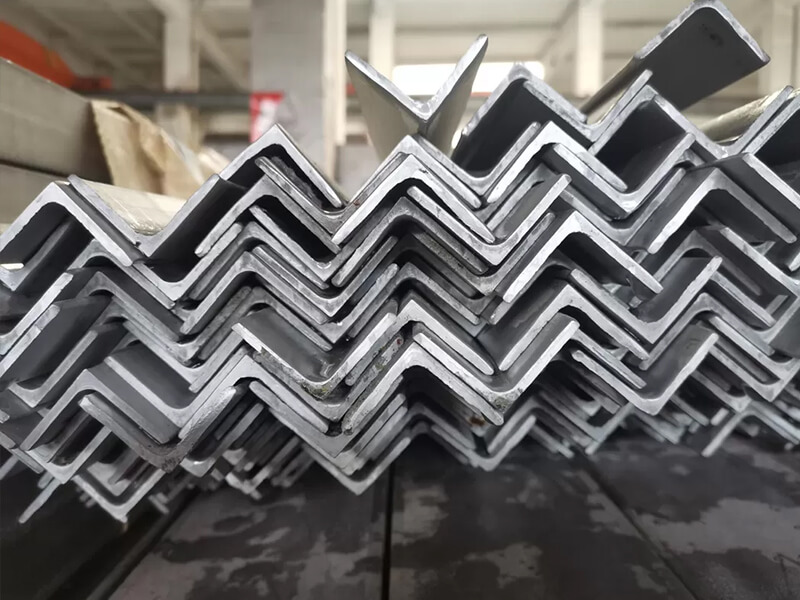
I am Zora Guo from cnmarinesteel.com. I work with mills in Liaocheng and other production hubs. I see the supply chain every day. In this post, I will explain why China leads, how mills get approvals, what logistics advantages matter, and how China is responding to new competition.
Why Does China Dominate Global Marine Angle Steel Production and Export Volumes?
Below is my article in Markdown format, please help me fill in the missing links in it (if necessary, please search Google for the most appropriate linking resources).
You look at global production numbers. China produces more than half of the world’s steel. For marine angle steel, the share is even higher.
China dominates because it has over 100 mills capable of rolling class‑approved marine angle steel. The total annual production capacity exceeds 10 million tons. In comparison, all other countries combined produce less than 5 million tons. China also benefits from low energy costs, large domestic demand, and government support for steel exports.
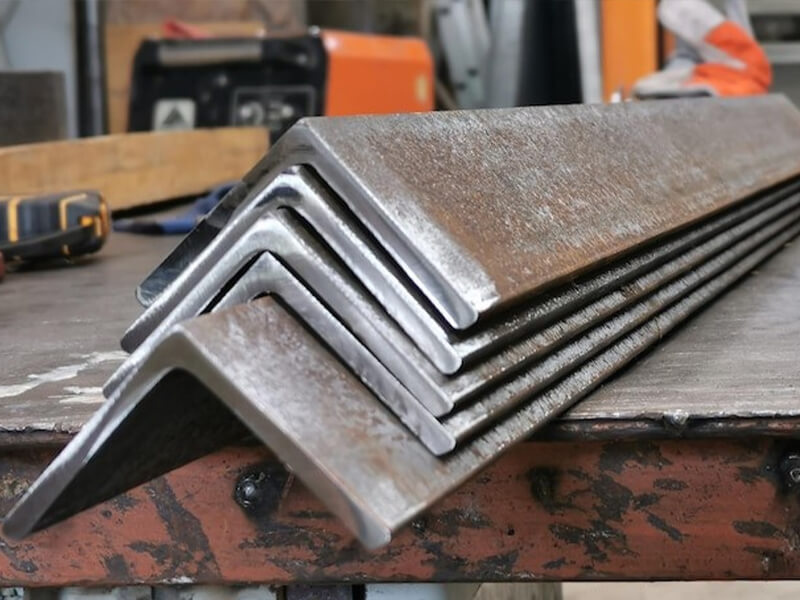
Let me break down the reasons.
Humber of Mills and Capacity
| Region | Number of mills producing marine angle steel | Annual capacity (million tons) |
|---|---|---|
| China | 100+ | 10+ |
| Japan | 10‑15 | 1.5 |
| South Korea | 8‑10 | 1.0 |
| Europe | 10‑15 | 1.2 |
| India | 5‑8 | 0.5 |
| Others (Turkey, Brazil, etc.) | 10‑15 | 1.0 |
China has more mills than the rest of the world combined. This means buyers can always find a mill with open capacity, even during busy seasons.
Domestic Demand Drives Scale
China builds more ships than any other country. Chinese shipyards consume huge amounts of marine angle steel. This domestic demand allows mills to run at high utilization. The high volume lowers the cost per ton. Then the same mills export the surplus.
A mill that produces 200,000 tons per year for domestic shipyards can easily add 50,000 tons for export at a lower incremental cost. A smaller mill in another country that only produces 50,000 tons total cannot compete on price.
Cost Advantages
Chinese mills have lower production costs because:
- Energy – Coal and electricity are cheaper than in Europe or Japan.
- Labor – Wages are lower, though rising.
- Raw materials – China is a large producer of iron ore and coking coal.
- Scale – Large mills have efficient continuous casting and rolling lines.
Government Support
The Chinese government supports steel exports through tax rebates (historically, though some have been reduced) and infrastructure investment. Ports, railways, and roads are well developed.
How Do Chinese Mills Achieve Class Society Approvals (ABS, DNV, LR) and Maintain Quality Standards?
You need class‑approved steel. Without approval, your ship cannot get a certificate. Chinese mills invest heavily in approvals.
Chinese mills achieve class society approvals by applying for annual audits from ABS, DNV, LR, and other societies. The mill must demonstrate quality management systems (ISO 9001), process control, and testing equipment. Approved mills can produce steel with the society’s stamp. Many large Chinese mills hold multiple approvals. They maintain quality by using modern continuous casting, ultrasonic testing, and third-party inspections.
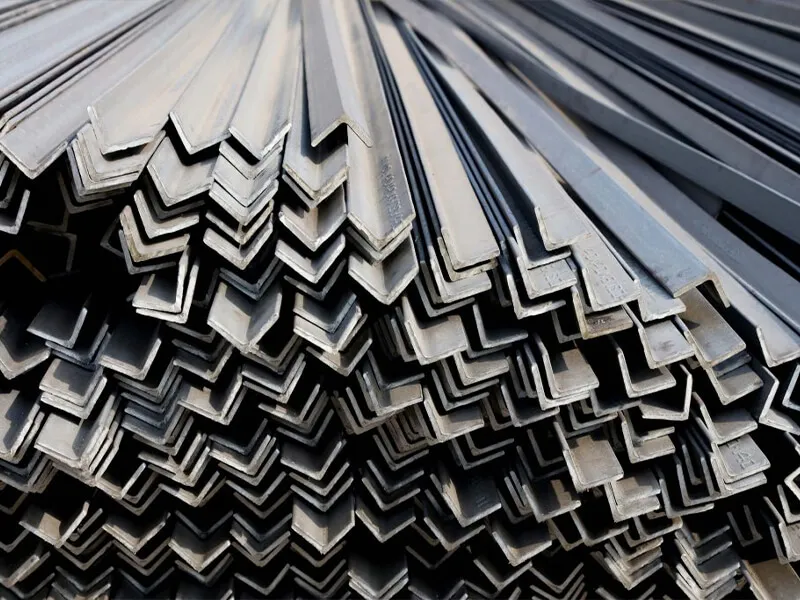
Let me explain the approval process.
The Approval Process
A mill that wants to produce ABS‑approved marine steel must:
- Submit an application with mill details and quality manual.
- Undergo an initial audit by ABS surveyors. The audit covers raw material control, rolling process, heat treatment, testing lab, and traceability.
- Produce sample plates for testing. The samples are tested at the mill’s lab and also at an ABS‑approved lab.
- If all tests pass, the mill receives a certificate of approval for specific products (e.g., angle bars up to a certain size and grade).
- The mill must be re‑audited every year to maintain approval.
The same process applies for DNV and LR, though each society has slightly different requirements.
Which Chinese Mills Are Approved?
Many large Chinese mills have multiple approvals. Examples include:
- HBIS Group – ABS, DNV, LR, BV
- Shagang Group – ABS, DNV, LR
- Ansteel – ABS, DNV, LR
- Rizhao Steel – ABS, DNV, LR
Smaller mills may only have one or two approvals. Some have no approval at all. As a buyer, you must check the mill’s approval status for the specific grade and size you need.
Quality Control in Chinese Mills
Good Chinese mills maintain quality through:
- Continuous casting – Replaces ingot casting, reduces internal defects.
- Automated rolling – Computer‑controlled stands ensure consistent dimensions.
- In‑line ultrasonic testing – Scans for laminations during production.
- Third‑party inspections – SGS, Bureau Veritas, or class surveyors witness testing.
I work with mills that have passed ISO 9001, ISO 14001, and OHSAS 18001. They also offer SGS inspection for every export order.
Quality Challenges
Not all Chinese mills are equal. Some smaller mills produce lower quality. Common issues include:
- Thickness under tolerance (saving material cost).
- Laminations due to poor casting.
- Inconsistent mechanical properties.
That is why buyers should always work with reputable suppliers (like us) who pre‑qualify mills and arrange third‑party inspection.
What Logistics and Cost Advantages Make China the Preferred Supplier for Shipyards Across Asia, the Middle East, and Europe?
You order from China. The steel arrives in 4‑8 weeks. The freight cost is low. That is not an accident.
China’s logistics advantages include major ports within 200 km of most steel mills, high container availability, frequent sailings to every major shipbuilding region, and efficient rail and truck networks. Cost advantages come from economies of scale and low inland transport costs. A ton of marine angle steel from Liaocheng to Dammam (Saudi Arabia) costs about $80‑120 in freight — often half the cost from European mills.
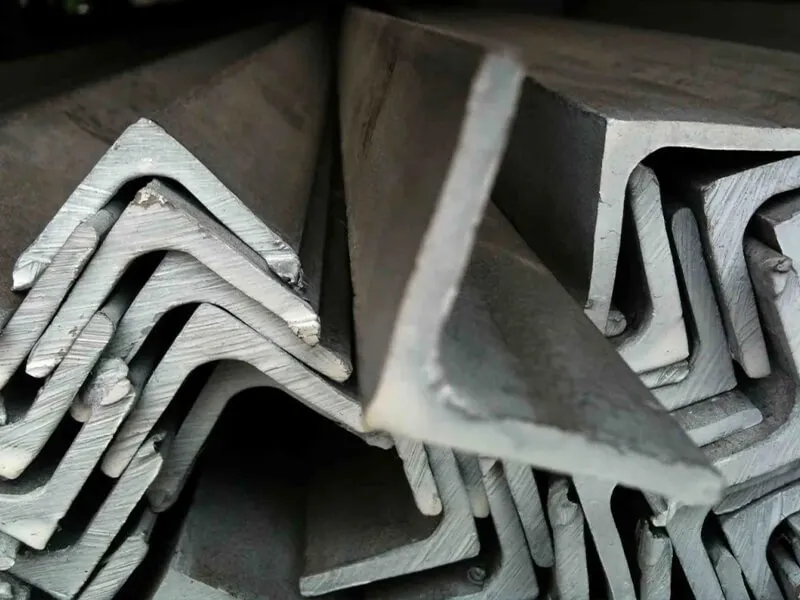
Let me detail the factors.
Port Proximity
Most Chinese steel mills are near ports:
- Liaocheng (Shandong) – 400 km to Qingdao port. Trucks deliver in 1 day.
- Tangshan – near Tianjin port.
- Jiangsu mills – near Shanghai and Nanjing ports.
Short inland distance keeps trucking costs low (about $20‑30 per ton).
Frequent Sailings
From Qingdao, Shanghai, and Tianjin, there are multiple sailings per week to:
- Southeast Asia (Vietnam, Malaysia, Indonesia) – 5‑7 days.
- Middle East (Jeddah, Dammam, Dubai) – 18‑22 days.
- Europe (Rotterdam, Antwerp, Hamburg) – 30‑40 days.
Shipyards in Vietnam can get steel in 3‑4 weeks from order. From European mills, the same order could take 6‑8 weeks and cost more.
Container Availability
China is the world’s largest exporter of manufactured goods. Containers are always available. Even during container shortages (like 2021‑2022), Chinese exporters still found space faster than other countries.
Cost Comparison
| From | To (e.g., Vietnam) | Typical freight (USD/ton) | Lead time (weeks) |
|---|---|---|---|
| China (Qingdao) | Ho Chi Minh City | $50‑70 | 3‑4 |
| Japan (Tokyo) | Ho Chi Minh City | $70‑100 | 4‑6 |
| South Korea (Busan) | Ho Chi Minh City | $60‑90 | 4‑5 |
| Europe (Rotterdam) | Ho Chi Minh City | $150‑250 | 8‑12 |
China wins on both cost and speed for Asian and Middle Eastern buyers.
Real Example
We ship marine angle steel from Liaocheng to Dammam, Saudi Arabia. The order is loaded at Qingdao port. The vessel takes 20 days. Customs clearance in Dammam takes 3‑5 days. Total time from mill to buyer: 5‑6 weeks. Freight cost: about $100/ton. A European mill would charge $150‑200/ton and take 10‑12 weeks. That is why our Saudi customer (Gulf Metal Solutions) buys from us.
How Are Chinese Suppliers Responding to Rising Competition from Other Steel‑Producing Nations?
You hear about India Vietnam and Turkey, building steel capacity. Can they challenge China?
Chinese suppliers are responding to rising competition by moving to higher value products (higher grades like DH36/EH36 and corrosion‑resistant coatings), offering better service (dedicated sales reps, third‑party inspection, faster response), and using digital tools (online tracking, automated quoting). They also invest in more efficient production to keep costs low. While India and Turkey gain some market share, China remains the dominant supplier for the foreseeable future.
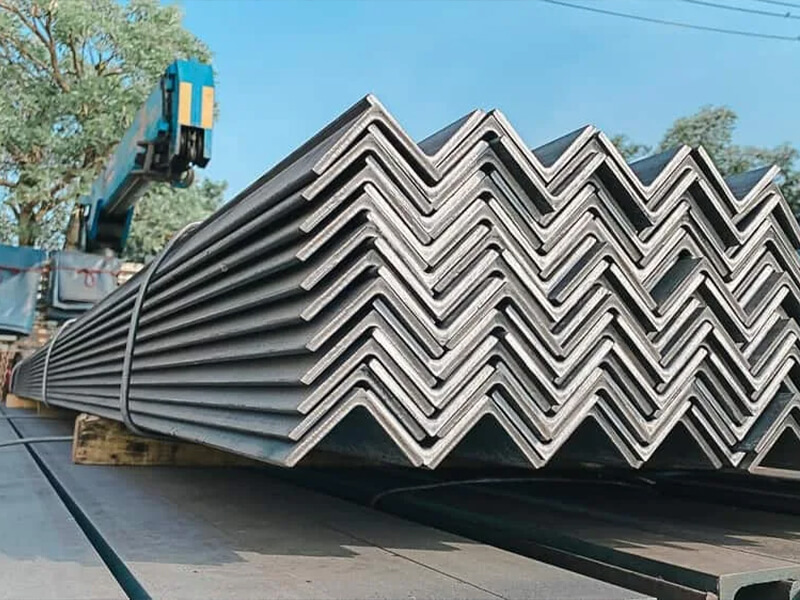
Let me analyze the competition.
Emerging Competitors
India: Indian mills have lower labor costs than China and are gaining approvals. But Indian steel production capacity is smaller, and logistics from Indian ports to, say, Vietnam or the Middle East are not as efficient. Some Indian mills produce good quality, but volumes are limited.
Turkey: Turkish mills are competitive for European buyers because of shorter shipping distances. However, Turkish production of marine angle steel is small compared to China. They focus on rebar and flat products.
Vietnam and Indonesia: Both have growing steel industries. But they lack the scale and class approvals for marine angle steel. Most of their production is for domestic construction.
How Chinese Suppliers Compete
Rather than cutting prices, Chinese mills and exporters are upgrading.
1. Moving to higher grades. Instead of competing on A grade, Chinese mills now produce more DH36 and EH36 for offshore and cold‑weather projects. These have higher margins.
2. Offering pre‑shipment inspection and documentation support. Many Chinese suppliers now provide SGS inspection, MTC verification, and bilingual sales support as standard. We at cnmarinesteel.com assign a dedicated English‑speaking rep for every order.
3. Reducing lead times. Chinese mills have become more flexible. They stock common sizes and can roll special sizes faster than before.
4. Using digital tools. Some suppliers offer online tracking of orders and instant quoting. This improves buyer confidence.
Will China Lose Its Lead?
In the next 5‑10 years, China will likely remain the top supplier. No other country can match China’s combination of scale, cost, and logistics. However, for buyers in Europe, Turkey or India may become more attractive due to shorter lead times and lower shipping costs. For buyers in North America, Mexico or Brazil may grow.
But for Asia and the Middle East (the largest markets for marine angle steel), China will continue to dominate.
A Personal Note
I have seen competition come and go. Ten years ago, people said India would replace China. It did not happen. Now some say Vietnam. I am not worried. Chinese steel mills are investing in new technology and better service. And Chinese exporters like us are building strong relationships with customers worldwide. We respond within 2 hours, arrange third‑party inspection, and ship on time. That is how we stay ahead.
Conclusion
China dominates marine angle steel supply because of scale, cost, logistics, and class approvals. Rising competition exists, but China adapts with better quality and service.