
One wrong batch of L-shaped steel can fail class inspection. Then your project stops for months.
Reduce procurement risk by checking mill approvals and past performance first. Add strong contract clauses for rejection and replacement. Use third-party pre-shipment inspection. Keep full traceability from mill to incoming yard.
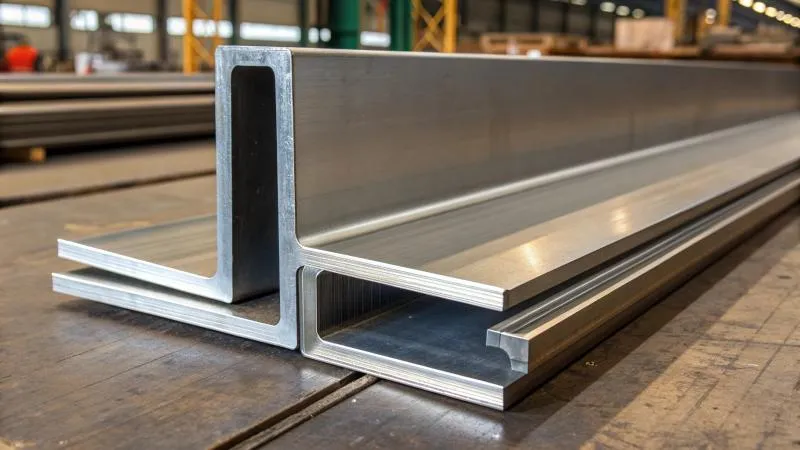
You might think a good price means a good deal. But I have seen buyers lose everything because they trusted a cheap supplier. The L-shaped steel looked fine on the surface. The mill certificate was fake. The angles did not match the required dimensions. The class surveyor rejected the whole batch. So let me walk you through the steps I use with my own clients to avoid these problems.
How to Vet Suppliers’ Mill Approvals, Quality Systems, and Past Performance Before Placing an Order?
A pretty website means nothing. You need proof that the mill has real approvals and a working quality system.
Ask for mill approval certificates from class societies like DNV, ABS, or LR. Check that the quality system follows ISO 9001. Then request three past shipping records with photos to see real performance.
Many buyers focus only on price. That is a mistake. The real cost comes from failed inspections, rejected material, and project delays. So I always tell my clients to spend one extra day vetting the supplier before placing the order. Here is how I do it.
Check mill approvals from class societies
Marine L-shaped steel goes into ship hulls and oil tankers. Class societies like DNV, ABS, Lloyd’s Register, and BV set the rules. Each mill that wants to supply marine steel must have a type approval from these societies. The approval covers the steel grade, the shape, and the size range. So ask the supplier for a copy of the approval certificate. Then call the class society office to confirm it is still valid. I once had a supplier send me an approval that expired two years ago. I only found out because I checked directly with DNV.
Look at the quality system, not just the paper
ISO 9001 is the basic standard. But marine steel needs more. The mill should also have an internal quality manual that tracks each heat of steel from melting to shipping. Ask to see the mill’s test report format. A good mill will show you a sample report that includes the heat number, chemical composition, mechanical properties, and dimensional checks. A bad mill will give you a one-page summary with missing data.
Ask for past performance with photos and shipping records
This step is simple but many buyers skip it. Ask the supplier for three past orders of marine L-shaped steel. Get the order details: quantity, dimensions, steel grade, destination country, and shipping date. Then ask for photos of the steel before loading and after unloading. Good suppliers take photos of every bundle with the mill tags visible. I do this for every shipment. When a buyer from Malaysia asked me for past performance, I sent him photos of our L-shaped steel delivered to Vietnam and Saudi Arabia. He saw the clear mill tags and the proper packaging. That gave him confidence.
Here is a checklist I use with my team:
| Step | What to check | Red flag |
|---|---|---|
| 1 | Mill approval from DNV, ABS, LR, or BV | Approval expired or different steel grade |
| 2 | ISO 9001 certificate | Certificate from unknown body |
| 3 | Sample mill test report | Missing heat number or mechanical properties |
| 4 | Past order photos | No photos or photos show rust or bent steel |
| 5 | Reference client contact | Supplier refuses to give a reference |
One personal example: A buyer from the Philippines asked me to vet a new mill he found online. The mill showed approvals on its website. But the certificate number did not match any in the DNV database. I told the buyer. He did not order from that mill. Six months later, he heard from another importer who did order from that mill. The steel failed class inspection. The buyer thanked me for saving him $80,000.
What Contract Clauses (Specifications, Rejection Rights, Replacement Terms) Protect You from Non‑Conforming Material?
A verbal promise is not a contract. You need written clauses that say exactly what happens when the steel is wrong.
Include the full steel grade, dimensions, tolerance, and mechanical properties in the contract. Add a rejection right for any batch that fails inspection. State that the supplier replaces non-conforming material at their own cost and delivery time.

I have read many purchase orders from buyers. Most are too short. They just say "marine L-shaped steel, grade A, 100 tons." That is not a contract. That is a wish. A real contract protects you when things go wrong. So here are the clauses I always recommend.
Specify everything in writing
Do not leave any detail to chance. Write down the exact steel grade (for example, AH36 according to DNV rules). Write down the dimensions: leg length, leg thickness, root radius, and length of each bar. Write down the tolerances: minus zero, plus 2mm for legs, plus 5mm for length. Write down the mechanical properties: minimum yield strength, tensile strength, and elongation percentage. Write down the chemical limits: carbon, manganese, silicon, sulfur, and phosphorus. I send my clients a specification table for every quote. They can copy it directly into their purchase order.
Add a rejection right for non-conforming material
This clause says that you have the right to reject any steel that does not meet the specifications. The rejection can happen at your port, after third-party inspection, or after class survey. And the supplier must remove the rejected steel at their own cost. I have seen contracts where the buyer had to pay for returning the steel. That is bad. So make sure the contract says the supplier pays for replacement and for taking back the bad steel.
Include replacement terms with a deadline
Non-conforming steel happens. Even good mills make mistakes. What matters is how the supplier fixes it. Your contract should say that the supplier delivers replacement steel within a certain number of days (for example, 30 days). And they pay for expedited shipping. Also, the replacement steel must go through the same inspection process again. This clause saved one of my clients in Mexico. The first batch of L-shaped steel had wrong leg lengths. The mill replaced it in 25 days with air freight. The client did not pay extra.
Here is a sample clause block I share with buyers:
| Clause | Example text |
|---|---|
| Specification | "Steel grade: AH36 per DNV rules. Leg length: 100mm ±1mm. Leg thickness: 10mm ±0.5mm. Length: 12,000mm +0/-5mm. Yield strength: min 355 MPa. Tensile: 490-630 MPa." |
| Rejection right | "Buyer may reject any batch that fails third-party inspection or class survey. Supplier must remove rejected steel within 14 days at supplier’s cost." |
| Replacement | "Supplier delivers replacement steel within 30 days of rejection notice. Replacement steel uses expedited shipping at supplier’s cost. Replacement steel subject to same inspection." |
I learned this lesson the hard way. A buyer from Thailand did not put these clauses in his contract. The L-shaped steel arrived with serious surface cracks. The supplier refused to replace it. The buyer had to buy new steel from another mill and pay for air freight. His project lost three weeks. After that, I started sending a "risk protection sheet" to every new client. Now they add my suggested clauses to their contracts.
Why Is Third‑Party Pre‑Shipment Inspection Essential to Catch Defects Before Steel Leaves the Mill?
You cannot see internal cracks or wrong chemistry from a photo. Only an independent inspector on the ground can find those.
Third-party pre-shipment inspection catches dimension errors, surface defects, and wrong mill certificates before the steel ships. The inspector takes samples for mechanical and chemical tests. You get a report within days.
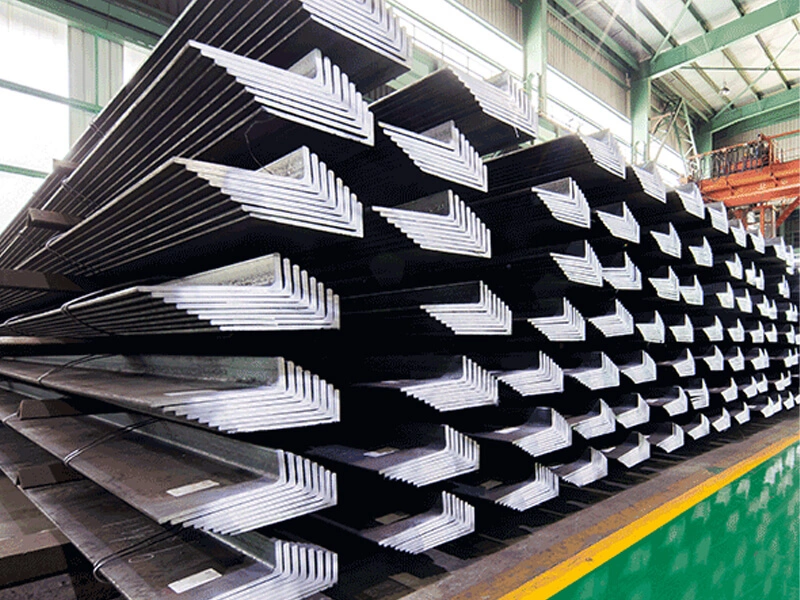
Many buyers think mill test reports are enough. They are not. A mill test report only covers the sample the mill chose to test. It does not cover every bar in the order. Also, some mills send fake reports. I see this more often than I like. So I always recommend third-party inspection from a company like SGS, Bureau Veritas, or Intertek. Here is why.
The inspector works for you, not the mill
When you hire a third-party inspector, they report to you. They do not care about the mill’s feelings. They measure the steel with calibrated tools. They take random samples from different bundles. They send those samples to an accredited lab for tensile and chemical analysis. If the steel fails, the inspector writes a non-conformity report. You can then reject the batch before it even leaves China. This saves you from paying freight and import duties on bad steel.
What the inspector checks
A good pre-shipment inspection covers at least five things. First, dimensions: leg lengths, leg thickness, root radius, and straightness. Second, surface condition: cracks, laminations, deep scratches, or excessive rust. Third, mill markings: each bar must have the heat number and grade stamped or painted. Fourth, packaging: bundles should be strapped tightly with dunnage to prevent damage. Fifth, sample testing: the inspector cuts samples from the worst-looking bar and sends them to a lab. I once had an SGS inspector find that the carbon content was too high for AH36 grade. The mill tried to argue. Then the lab repeated the test. Same result. The mill had to remelt the whole heat.
The cost of skipping inspection
Let me give you a real number. Pre-shipment inspection for a 200-ton order of marine L-shaped steel costs about $1,500 to $2,500. The freight cost for that order from China to the Middle East is around $8,000 to $12,000. If the steel fails class inspection at your yard, you pay freight both ways. That is $16,000 to $24,000. Plus you pay demurrage. Plus your project stops. So skipping inspection to save $2,000 is a bad bet. I have never had a client regret paying for SGS inspection. But I have had clients regret not paying.
Here is a typical inspection scope table:
| Check item | Method | Pass/fail criteria |
|---|---|---|
| Leg length | Digital caliper, 10 bars per bundle | ±1mm from specified |
| Leg thickness | Digital caliper, 10 bars per bundle | ±0.5mm |
| Straightness | Straightedge and feeler gauge | Max 2mm per meter |
| Surface | Visual under good light | No cracks, laminations, or deep pits |
| Mill marking | Visual check of 100% of bars | Heat number and grade visible |
| Tensile test | Lab test on sample | Yield, tensile, elongation meet grade spec |
| Chemistry | Lab test on sample | Carbon, Mn, Si, P, S within limits |
One of my clients in Saudi Arabia, Gulf Metal Solutions, used to skip inspection because his previous supplier promised "factory direct quality." Then he got a shipment of L-shaped steel that looked fine outside. But when his fabricator cut it, they found internal laminations. He lost two weeks. Now he always pays for SGS inspection before we ship. His last order passed with no issues. He told me the $1,800 inspection fee was the best money he spent that year.
How to Manage Traceability, Documentation, and Incoming Inspection to Avoid Class Rejection and Project Delays?
The shipyard or class surveyor will ask for one thing: proof that every bar matches its certificate. If you cannot show that, the steel is rejected.
Keep a traceability log that links each bundle’s heat number to the mill test report. Incoming inspection must check heat numbers against the packing list and take photos of every bundle tag. Class rejection happens when numbers do not match.
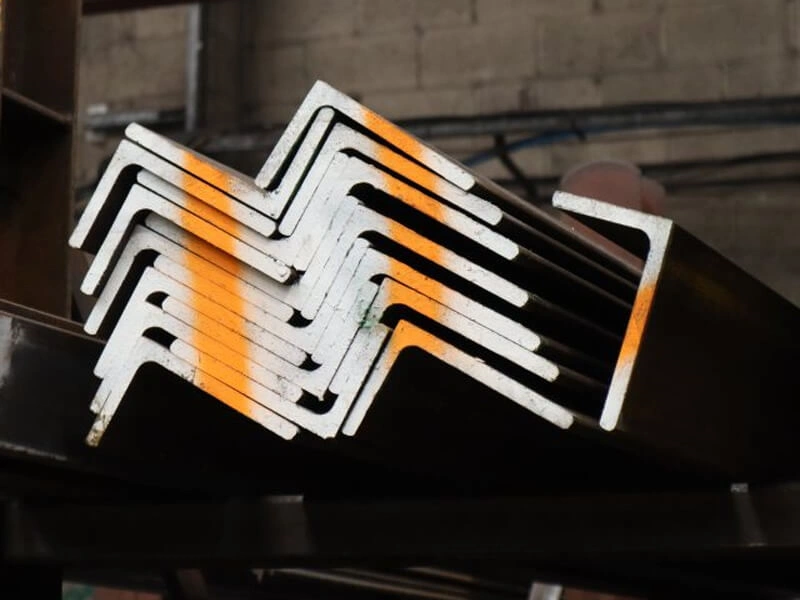
Traceability sounds like a big word. But it is simple. It means you can trace each piece of steel back to the exact heat of molten steel that made it. Without traceability, class societies will not approve your material. Here is how I manage traceability for every order.
Start with the mill’s heat number
Every heat of steel gets a unique number from the mill. That number stays with the steel through rolling, cutting, packing, and shipping. When we load the L-shaped steel onto trucks at the mill, we record the heat number for each bundle. We also take a photo of the bundle tag. Then we match those numbers to the mill test reports. A good test report shows the heat number, the mechanical properties for that heat, and the chemical composition. If a bundle’s heat number is not on any test report, that steel is untraceable. Do not ship it.
Build a traceability log
I use a simple Excel table. The columns are: bundle number, heat number, quantity of bars, dimensions, steel grade, mill test report number, and photo file name. I share this log with the buyer before shipping. When the steel arrives at your port, your inspector can check the first bundle’s heat number against the log. If it matches, you continue. If not, you stop unloading. I had a shipment to Romania where one bundle had a wrong heat number. The mill had accidentally swapped tags. We caught it at our warehouse and fixed it before shipping. The buyer never knew there was a problem. That is why traceability works.
Incoming inspection checklist for your yard
When the steel arrives, do not just sign the delivery note. Do these five steps. First, count the bundles and check against the packing list. Second, for each bundle, read the heat number and compare it to the traceability log. Third, measure a few bars from each bundle for leg length and thickness. Fourth, look for transit damage: bent bars, broken straps, or missing tags. Fifth, take photos of every bundle with the heat number visible. This whole process takes one hour for a 20-bundle order. It saves you from a class rejection that could take weeks to resolve.
What class surveyors look for
I have sat next to class surveyors during incoming inspections. They do not trust anyone. They ask for three things. First, the mill approval certificate for the steel grade and shape. Second, the traceability log showing each heat number matched to a test report. Third, the actual mill test reports with original stamps or digital signatures. If any of these is missing or has a mismatch, they mark the steel as "not approved." Then your project stops until you get replacement steel. That can cost you $5,000 per day in idle labor and equipment.
Here is a simple traceability flow I use with all my shipments:
| Step | Action | Document produced |
|---|---|---|
| 1 | Mill produces steel with heat number | Heat number stamped on bars |
| 2 | Mill tests samples from each heat | Mill test report |
| 3 | We pack bars into bundles and record heat numbers | Bundle tag with heat number |
| 4 | We take photo of each bundle tag | Photo file |
| 5 | We create traceability log linking bundle to test report | Excel log |
| 6 | We send log and photos to buyer before shipping | Email with attachments |
| 7 | Buyer checks incoming steel against log | Incoming inspection report |
One of my regular clients in Vietnam used to fail class inspection on 10% of his steel from other suppliers. The main reason was missing or mismatched heat numbers. He switched to buying from me after I showed him my traceability process. His last three orders had zero class rejections. He told me the traceability log alone saved him two days of sorting and paperwork per shipment.
Conclusion
Vet the mill, write a strong contract, inspect before shipping, and track every heat number. Do these four things and your project stays on schedule.