
Your bulb flat steel order is delayed again. The mill stopped production. Now your shipbuilding project is stuck.
A reliable bulb flat steel supply chain uses multiple certified mills, strategic stock in regional warehouses, and digital tracking tools. This stops single‑point failures and keeps your yard running.
I have supplied bulb flat steel to shipyards and wholesalers for over ten years. I have seen supply chains break because of one missed call or one closed mill. Let me walk you through the real risks and the practical fixes. These four questions will help you build a supply chain that does not let you down.
What Are the Core Risks in Current Bulb Flat Steel Supply Chains and How to Mitigate Them?
Your mill says they can deliver in six weeks. But week seven comes. No steel. Week eight. Still nothing.
The core risks are single-mill dependency, poor quality control, and no visibility on production status. You mitigate them by qualifying backup mills, using third-party inspections, and asking for weekly rolling schedules.
Let me share a story from a customer in Malaysia. They ordered 200 tons of bulb flat steel from one mill. That mill had a furnace breakdown. No warning. No backup plan. My customer waited twelve weeks. Their project lost two months. They called me in a panic. I shipped the same steel from another mill in three weeks. That experience taught me a hard lesson. A single mill is a single point of failure.
So what are the real risks? I will list them out.
Three main risks in bulb flat steel supply chains
| Risk | What it looks like | How bad it gets |
|---|---|---|
| Single mill dependency | You buy 100% from one mill | Mill stops production = you stop working |
| Quality inconsistency | Batch A is good. Batch B has surface cracks. | You reject plates. Project waits for replacement. |
| No production visibility | Mill says “soon” but never gives a date | You cannot plan cutting or labor |
These risks are not rare. I see them every year. The good news is that you can fix each one.
How to mitigate each risk
-
For single mill dependency – Qualify at least two mills. One is your primary. One is your backup. I work with several certified mills in China. If one mill has a problem, I switch to another. The price might be slightly different. But the steel arrives on time.
-
For quality inconsistency – Use third-party inspection. SGS or similar. Do not trust the mill’s own certificate. I offer SGS inspection to every customer. It costs a little extra. But it saves you from rejecting a whole shipment at your port.
-
For no production visibility – Ask the mill for a weekly rolling production schedule. This is a simple table. It shows: “Week 1 – rolling starts. Week 2 – cutting. Week 3 – packing. Week 4 – ready to ship.” If the mill cannot give you this, find another mill.
From my own business, I give my customers a production update every Friday. I send a photo of their steel on the rolling line. I tell them the exact container loading date. That small habit has built trust with buyers in Saudi Arabia, Vietnam, and Mexico.
So the first step is simple. Stop buying from one mill. Start building a list of approved backup suppliers. Keep their contact details ready. You will thank yourself when the first mill fails.
How to Select and Qualify Multiple Certified Mills to Avoid Single‑Point Failures?
You find a second mill. But you do not know if their steel is good. So you stick with the old one. That is a mistake.
To select and qualify multiple certified mills, you need a standard checklist. Look for class society certificates (ABS, LR, DNV), order a sample batch, and run a third-party inspection. Then keep at least two mills on your active vendor list.
I remember helping a buyer in Qatar. He only used one mill for three years. That mill raised prices by 20% overnight. He had no alternative. He had to pay. After that, he asked me to qualify two other mills. We did it in four weeks. Now he splits his orders. He never gets trapped by a price hike again.
Qualifying a mill sounds hard. But it is just a step‑by‑step process.
My five‑step mill qualification process
| Step | Action | Time needed |
|---|---|---|
| 1 | Check certificates | 1 day |
| 2 | Request material test reports (MTRs) | 2 days |
| 3 | Order a sample batch (10–20 tons) | 1 week for production |
| 4 | Run third‑party inspection on sample | 3 days |
| 5 | Test cutting and welding at your yard | 1 week |
After step 5, you know if the mill is good.
What certificates should you look for? The most trusted ones are from classification societies. ABS (American Bureau of Shipping), LR (Lloyd’s Register), DNV, and Class NK. A mill with these certificates has passed regular audits. That does not guarantee perfect steel. But it lowers your risk.
I also look at the mill’s export history. I ask: “Which shipyards have bought from you in the last two years?” If they name reputable yards in South Korea or Japan, that is a good sign.
Once you qualify a mill, do not just put their name in a file. Order small batches from them regularly. Keep the relationship warm. Send a purchase order for 20 tons every few months. This keeps them interested. When you need 500 tons in a hurry, they will prioritize you.
A practical tip from my desk: I keep a simple vendor scorecard. It has three columns: Mill name, Last order date, Quality rating (1–5). I update it every month. When a customer asks me for bulb flat steel, I check the scorecard first. I pick the mill with the highest rating and the shortest lead time. You can do the same for your own supply chain.
Do not wait for a crisis to qualify a second mill. Do it now. The time you spend today will save you months of delay tomorrow.
What Role Does Strategic Inventory and Regional Warehousing Play in Supply Chain Resilience?
You order steel. The ship takes six weeks. A storm delays it for two more weeks. Your yard sits idle.
Strategic inventory and regional warehousing mean you keep safety stock near your main projects. This stock covers the gap between an emergency order and the next shipment. It turns an eight‑week lead time into a two‑day pickup.
A customer in Mexico taught me this lesson. He builds fishing vessels. He used to order steel from China only when he needed it. That meant a 45‑day wait. One time, his design changed after the order was placed. The new sizes were different. He could not use the steel that arrived. He had to wait another 45 days. That project lost two months.
Now he keeps a small stock in a warehouse near his yard. About 100 tons of common sizes. He calls it his “fire extinguisher”. He rarely uses it. But when he does, it saves him.
So what is strategic inventory? It is not holding every size. That costs too much. It is holding the sizes that are most common and most critical.
How to decide what to keep in regional stock
| Factor | What to ask | Example |
|---|---|---|
| Lead time from mill | How many weeks from order to delivery? | 6 weeks – keep stock |
| Demand frequency | Do you use this size every month? | Yes – keep stock |
| Cost of downtime | How much money do you lose per idle day? | $5,000/day – keep more stock |
| Storage space and cost | Can you store steel cheaply? | Renting a shed – keep limited stock |
I recommend a simple rule. Keep safety stock equal to four weeks of normal consumption for your top five sizes. That is usually 20% of your annual volume. The cost of holding that steel is lower than the cost of a two‑month delay.
How to decide what to keep in regional stock
| Factor | What to ask | Example |
|---|---|---|
| Lead time from mill | How many weeks from order to delivery? | 6 weeks – keep stock |
| Demand frequency | Do you use this size every month? | Yes – keep stock |
| Cost of downtime | How much money do you lose per idle day? | $5,000/day – keep more stock |
| Storage space and cost | Can you store steel cheaply? | Renting a shed – keep limited stock |
I recommend a simple rule. Keep safety stock equal to four weeks of normal consumption for your top five sizes. That is usually 20% of your annual volume. The cost of holding that steel is lower than the cost of a two‑month delay.
One more benefit of regional stock. It protects you from price spikes. Steel prices go up and down. If you have inventory, you do not have to buy at the peak. You wait for prices to drop. You refill your stock slowly.
A smart buyer in Thailand does this. He keeps three months of stock for his most common bulb flat sizes. When prices are low, he buys extra. When prices are high, he only buys what he needs. Over two years, he saved about 12% on his total steel cost.
So do not see inventory as wasted money. See it as insurance. You pay a small cost to keep it. But when a problem comes, it pays you back many times.
How Can Digital Tracking, Forecasting, and Long‑Term Agreements Future‑Proof Your Supply Chain?
You still use email and paper records. You miss a message. Then you miss a shipment. That is the old way.
Digital tracking gives you real‑time visibility on every batch. Forecasting aligns your orders with your yard’s cutting schedule. Long‑term agreements lock in mill capacity and price stability. Together, these three tools make your supply chain almost unbreakable.
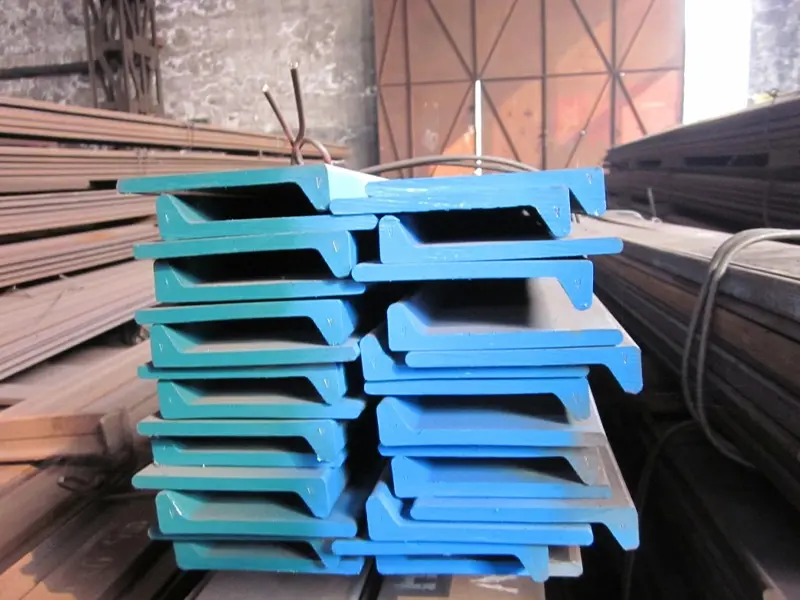
I will tell you about a customer in Romania. He buys bulb flat steel and marine angle steel from me. Two years ago, he had no system. He tracked orders in his head. He forgot a 50‑ton order. The steel arrived two months late. His customer almost cancelled the contract.
Now he uses a simple online tracking sheet. I share it with him. He sees every order: “Ordered on date. Rolling start. Rolling finish. Packing. On ship. Arrived.” He checks it every morning. No more surprises.
Digital tracking does not need expensive software. A shared Google Sheet works fine. The important thing is that everyone updates it. The mill, the supplier, the logistics team, and the buyer. One source of truth.
Three digital tools that really work for bulb flat steel
| Tool | What it does | How to start |
|---|---|---|
| Shared order tracker | Shows production status and shipment dates | Google Sheets or Airtable |
| Demand forecasting template | Uses past consumption to predict future orders | Excel with simple formula |
| Automated alerts | Sends a message when steel passes a checkpoint | Use Zapier or email rules |
Forecasting is the next piece. Many buyers order steel based on a feeling. “I think I need some.” That leads to over‑ordering or under‑ordering. A proper forecast uses real data. Look at your last six months of cutting plans. Calculate the average tons per week. Add 20% safety margin. Then place orders for that amount every month.
I help my customers with this. They send me their cutting schedule. I tell them how much to order and when. This is free advice. I give it because a smart buyer is a repeat buyer.
Long‑term agreements (LTAs) are the final piece. An LTA is a contract for one year or more. It says: “I will buy at least X tons per month. You give me a fixed price and guaranteed mill slot.” This protects both sides. You get stable pricing and priority production. The mill gets predictable revenue.
I have LTAs with several certified mills. When a spot buyer calls and says “I need steel next month”, the mill says “sorry, fully booked”. But my LTA customers always get their steel. Their production slots are reserved.
An example from my work. A distributor in Pakistan signed a one‑year LTA with me for 300 tons per month of bulb flat steel. The price was fixed for 12 months. Then steel prices went up by 15% in the global market. He still paid the old price. He saved about $50,000 that year. His competitors who bought spot paid much more.
Future‑proofing is not magic. It is a set of habits. Track everything digitally. Forecast using data. Sign LTAs with trusted suppliers. Do these three things, and your supply chain will survive storms, price spikes, and mill breakdowns.
Conclusion
A reliable bulb flat steel supply chain needs backup mills, regional stock, and digital tools. Start with one change today.