
leading paragraph:
Your bulb flat steel arrives too late. Your workers wait. Or it arrives too early. It sits outside and rusts. Both hurt your profit.
snippet paragraph:
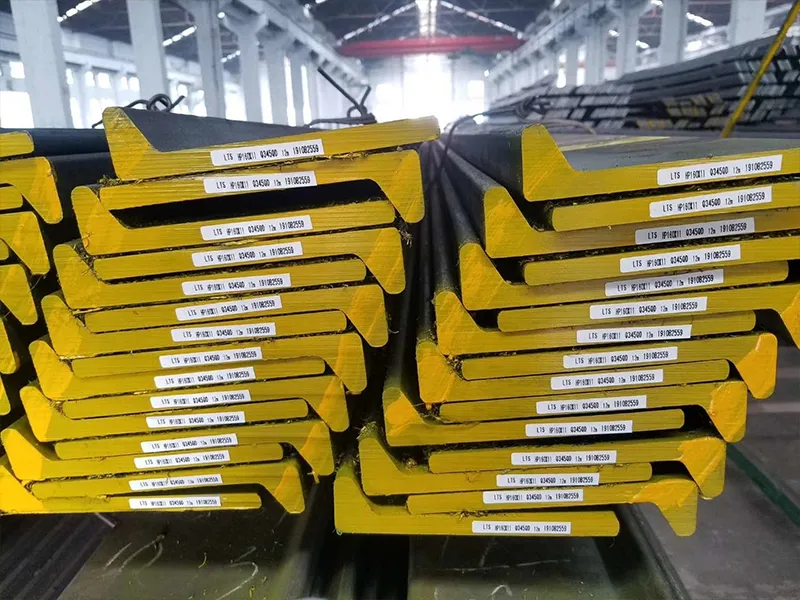
Coordinate delivery by mapping your yard’s build sequence to delivery batches. Calculate lead times from mill to port. Then create a phased delivery schedule with your supplier.
Transition Paragraph:
I am Zora Guo from cnmarinesteel.com. I supply bulb flat steel to shipyards in Saudi Arabia, Vietnam, and the Philippines. I have seen delivery mistakes ruin production schedules. Let me show you how to get it right.
Why Delivery Timing Matters for Bulb Flat Steel in Shipbuilding?
leading paragraph:
You need bulb flat steel1 for the bottom of the hull. It does not arrive. Your welders work on other parts. Then it arrives. Now you are behind.
snippet paragraph:
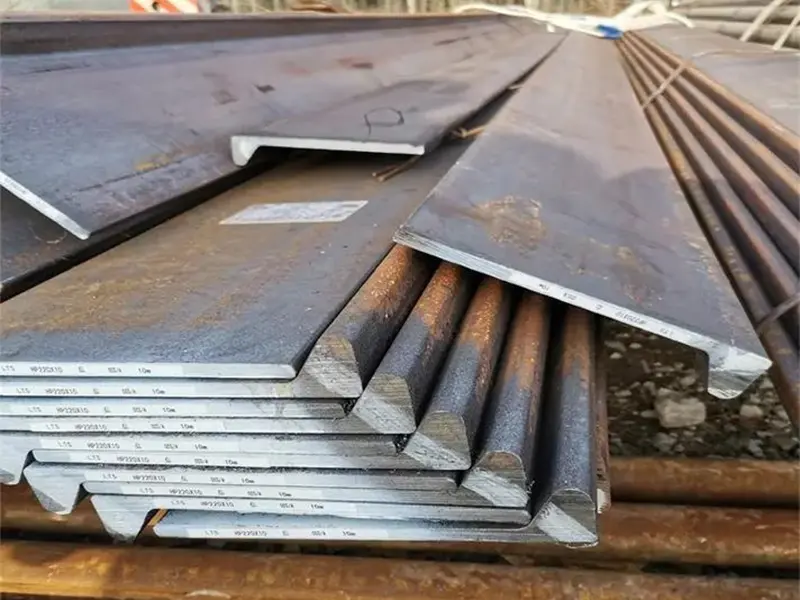
Bulb flat steel is used in the bottom and sides of ships. It is a critical path material2. If it is late, the whole hull stops. If it is early, you waste storage space and risk rust.
Dive deeper Paragraph:
Let me explain why bulb flat steel is different from other marine steel. Marine plate is used everywhere. You can substitute one size for another sometimes. Angle steel is also common. But bulb flat steel has a specific shape. It is designed for the bottom and side longitudinals. You cannot replace it with something else. If it is missing, you cannot move to the next step.
The critical path
In shipbuilding, the hull goes together in a sequence. First, you lay the keel. Then you add the bottom plates. Then you attach the bulb flat steel longitudinals. These run along the bottom and sides. They give the hull its strength. Without them, you cannot put on the side plates. You cannot close the hull. The whole project stops.
I have seen yards wait 4 weeks for missing bulb flat steel. Workers stood around. The yard lost $50,000 in labor. The ship owner charged a penalty. All because of bad delivery timing3.
Too early is also bad
If the steel arrives too early, you need to store it. Bulb flat steel is long and heavy. It takes up space. It can get bent if not stored properly. It can rust if left outside. And you pay for the steel earlier than needed. That ties up your cash flow.
The cost of bad timing
| Timing issue | Consequence | Typical cost impact |
|---|---|---|
| Late by 2 weeks | Workers idle, schedule slips | $10,000-$30,000 |
| Late by 4 weeks | Major delay, owner penalty | $50,000-$100,000 |
| Early by 4 weeks | Storage costs, rust risk | $2,000-$5,000 |
| Early by 8 weeks | Cash flow tied up, possible damage | $5,000-$10,000 |
A real example
A shipyard in the Philippines ordered bulb flat steel from a supplier. The supplier shipped everything at once. The steel arrived 6 weeks before the yard needed it. The yard had no covered storage. The steel sat in the rain for a month. Surface rust formed. Workers had to grind every piece before welding. That added 200 hours of labor. The yard lost $4,000 in grinding costs and 5 days of time.
My advice
Timing is not just about being on time. It is about being on time for each phase of production. The bottom steel needs to arrive first. The side steel comes later. The deck steel comes last. Work with your supplier to match delivery to your build sequence. I help my customers do this for every project.
Mapping Your Yard’s Build Sequence to Delivery Batches?
leading paragraph:
You have a production plan1. It says: week 1-4 cut bottom plates. week 5-8 weld bottom. week 9-12 install bulb flats. You need steel for each step.
snippet paragraph:
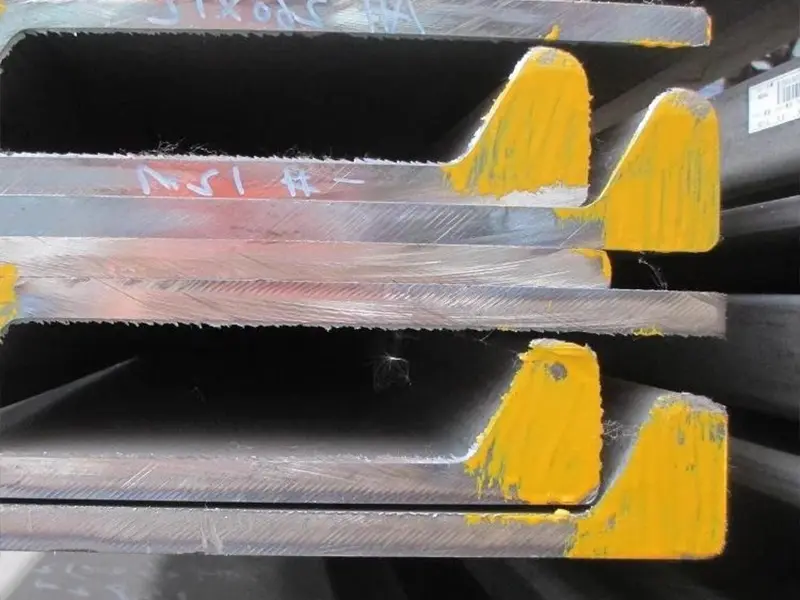
Break your build sequence into phases. List the bulb flat steel2 needed for each phase. Then create delivery batches3 that match those phases. Phase 1 steel arrives first. Phase 2 steel arrives later.
Dive deeper Paragraph:
Mapping your build sequence to delivery batches is not hard. But you need to do it before you order. Most buyers skip this step. They order all steel at once. That is a mistake.
Step 1: List your build phases4
Every shipyard has its own way of building. But most follow a similar pattern for the hull.
Phase 1: Bottom plate cutting and assembly. You need the bottom plates first. But you also need the bulb flat steel that goes on the bottom. Actually, the bulb flats are welded to the bottom plates. So you need them at the same time as the bottom plates.
Phase 2: Side shell assembly. After the bottom is done, you stand up the side plates. The side plates also have bulb flat steel longitudinals. So you need the side bulb flats in phase 2.
Phase 3: Deck and upper structure. Less bulb flat steel here. Mostly plate and angle steel.
Phase 4: Internal bulkheads and stiffeners. Some small bulb flats may be used.
Step 2: Identify the bulb flat steel for each phase
Go through your cutting list5. Mark each piece with the phase it is used in. For example:
- Phase 1: Bottom bulb flats, sizes 160mm and 200mm, 80 tons
- Phase 2: Side bulb flats, sizes 140mm and 180mm, 60 tons
- Phase 3: Deck bulb flats (if any), size 120mm, 20 tons
Step 3: Set delivery batches
Batch 1 (deliver at week 0): Phase 1 steel
Batch 2 (deliver at week 4): Phase 2 steel
Batch 3 (deliver at week 8): Phase 3 steel
Sample mapping table
| Build phase | Week starting | Bulb flat sizes needed | Quantity (tons) | Delivery batch |
|---|---|---|---|---|
| Bottom assembly | Week 1 | 160mm, 200mm | 80 | Batch 1 (week 0) |
| Side shell | Week 5 | 140mm, 180mm | 60 | Batch 2 (week 4) |
| Deck | Week 9 | 120mm | 20 | Batch 3 (week 8) |
| Finishing | Week 12 | None | 0 | N/A |
A real example
A customer in Thailand was building a 70-meter fishing vessel. He sent me his build sequence. We mapped it together. He needed 50 tons of 160mm bulb flat for the bottom in week 1. He needed 40 tons of 140mm for the sides in week 4. And 15 tons of 120mm for the deck in week 7. I shipped three batches. Each arrived exactly when he needed it. His yard never waited. He finished the hull 2 weeks ahead of schedule.
My advice
Do this mapping before you send out your inquiry. It takes 2 hours with your production manager. But it saves weeks of delays later. I can help you with the mapping. Just send me your build plan. I will suggest delivery batches.
How to Calculate Lead Times from Mill Rolling to Port Arrival?
leading paragraph:
You order steel. The supplier says “4 weeks”. But 4 weeks from when? From order? From production start? You need a clear timeline.
snippet paragraph:
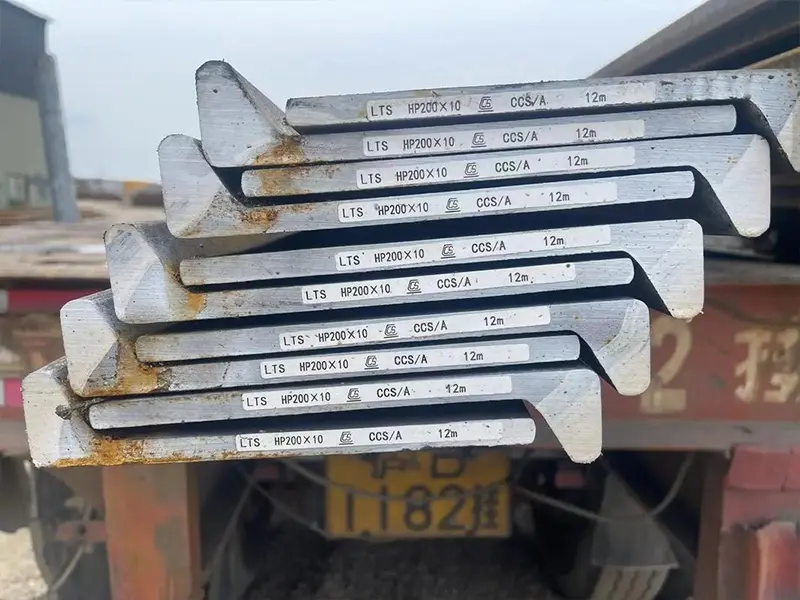
Total lead time1 = mill production time + inspection time + transport to port + customs + sea freight. For China to Southeast Asia, total is 4-6 weeks. For China to Middle East, 6-8 weeks.
Dive deeper Paragraph:
Many buyers do not understand lead times. They think the steel ships the day after they order. That is not how it works. Let me break down each step.
Step 1: Mill production (1-3 weeks)
The mill does not start rolling the day you order. They have a queue. For common sizes in stock, production is 1 week. For special sizes that need rolling, it is 2-3 weeks. For very large orders (over 1000 tons), it can be 4 weeks.
Step 2: Quality inspection2 (2-5 days)
If you request third-party inspection (SGS, BV, etc.), the inspector needs time. They come to the warehouse. They check the steel. They take samples. They write a report. This takes 2 to 5 days. You can skip inspection to save time. But I do not recommend it.
Step 3: Transport to port (1-3 days)
My warehouse is in Liaocheng, Shandong. The nearest port is Qingdao. Truck transport takes 1 day. For other mills farther from the port, it can take 2-3 days.
Step 4: Export customs clearance3 (2-4 days)
The steel must clear Chinese customs. This usually takes 2 days. Sometimes 4 days if there are document issues. I have a dedicated customs broker. It never takes more than 3 days for my shipments.
Step 5: Sea freight4 (7-25 days)
This depends on the destination.
- To Vietnam, Thailand, Malaysia, Philippines: 7-12 days
- To Saudi Arabia (Dammam), Qatar: 20-25 days
- To Mexico: 25-30 days
Step 6: Destination port clearance5 (3-7 days)
This is your responsibility. But a good supplier helps. The steel arrives at your port. You need to clear customs. This can take 3-7 days depending on your broker.
Total lead time example (Saudi Arabia)
| Step | Days |
|---|---|
| Mill production | 14 |
| SGS inspection | 3 |
| Transport to port | 1 |
| China customs | 2 |
| Sea freight to Dammam | 22 |
| Total (before arrival) | 42 days (6 weeks) |
| Plus destination clearance | 5 days |
| Total to your yard | 47 days (6.7 weeks) |
Lead time comparison by destination6
| Destination | Minimum lead time (weeks) | Typical lead time (weeks) | Rush possible? |
|---|---|---|---|
| Vietnam | 3 | 4 | Yes (+20% cost) |
| Thailand | 3 | 4 | Yes |
| Malaysia | 3 | 4 | Yes |
| Philippines | 4 | 5 | Yes |
| Saudi Arabia | 5 | 7 | No (sea freight fixed) |
| Qatar | 5 | 7 | No |
A real example
A customer in Malaysia ordered 100 tons of bulb flat steel. He needed it in 5 weeks. I calculated: mill production 2 weeks, inspection 2 days, transport 1 day, customs 2 days, sea freight 10 days. Total 4 weeks. I delivered in 4.5 weeks. He was happy.
My advice
When you plan your project, add a 2-week buffer to the lead time. Do not cut it close. If you need steel in week 8, order it in week 2. Delays happen. A ship can be late. A port can be congested. A buffer saves you. I always tell my customers: “Order earlier than you think you need.”
Creating a Phased Delivery Schedule with Your Supplier?
leading paragraph:
You have your build phases. You know the lead times. Now you need to turn that into a delivery schedule your supplier can follow.
snippet paragraph:
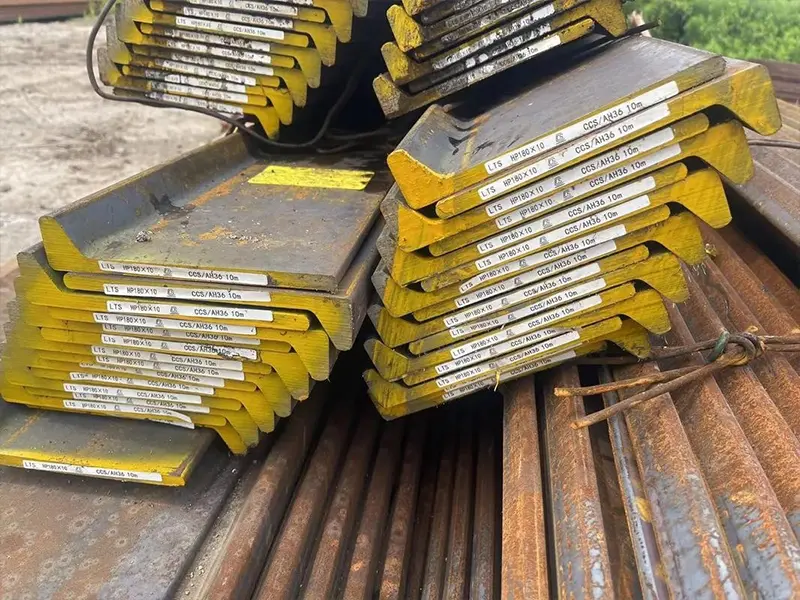
A phased delivery schedule1 lists each batch, the steel sizes, the quantity, and the requested arrival date. Share it with your supplier. Update it as the project progresses.
Dive deeper Paragraph:
Creating a schedule is easy. Getting your supplier to follow it is harder. You need clear communication2 and regular updates.
What a good schedule looks like
Use a simple table. Send it to your supplier in Excel or PDF.
| Batch | Steel size (mm) | Grade | Quantity (tons) | Requested arrival at your port | Order date | Ship date from China |
|---|---|---|---|---|---|---|
| 1 | 160×8 | AH36 | 40 | Week 2 | Week -4 | Week -2 |
| 2 | 160×8 | AH36 | 40 | Week 4 | Week -2 | Week 0 |
| 3 | 140×7 | A36 | 30 | Week 6 | Week 0 | Week 2 |
| 4 | 120×6 | A36 | 20 | Week 8 | Week 2 | Week 4 |
How to work with your supplier
Step 1: Send the schedule when you place the order. Do not assume the supplier knows your timeline.
Step 2: Ask the supplier to confirm each batch date. They should say “Batch 1 will ship on X date.”
Step 3: Get weekly updates3. Ask: “Is batch 1 on track?”
Step 4: If your yard speeds up or slows down, tell the supplier immediately. They can adjust.
What can go wrong
- Supplier forgets the schedule and ships everything at once.
- Mill delays one batch. The supplier does not tell you. You only find out when the steel does not arrive.
- Your yard falls behind. You ask the supplier to delay a batch. But the steel is already on the ship.
How to prevent these problems
First, choose a supplier with good communication. Gulf Metal Solutions told me: “Yichen was the first supplier to respond within two hours.” That matters. Second, build a relationship. A supplier who knows you will work harder for you. Third, put the schedule in the contract. Include a clause: “Supplier shall ship batches according to attached schedule. Any delay of more than 5 days requires buyer approval.”
A real example
I worked with a shipyard in Vietnam. They had a 6-month project. We created a phased schedule with 5 batches. Every two weeks, I sent them an update. “Batch 1 is on the ship. Batch 2 is at the port. Batch 3 is being rolled.” They always knew where their steel was. No surprises. They finished the project on time.
My advice
Do not just ask for “phased delivery”. Give the supplier a written schedule. Update it every week. And choose a supplier who communicates. I send my customers a tracking report every Friday. That includes photos of their steel at each stage. You can have the same. Just ask.
Conclusion
Map your build sequence. Calculate lead times. Create a phased schedule. Communicate with your supplier. Your steel arrives when you need it.
-
Understanding a phased delivery schedule is crucial for effective project management and supplier coordination. ↩ ↩ ↩ ↩
-
Clear communication can prevent misunderstandings and ensure timely deliveries, making it essential for successful supplier partnerships. ↩ ↩ ↩ ↩
-
Regular updates keep everyone informed and help address potential issues before they escalate, ensuring smoother operations. ↩ ↩ ↩ ↩
-
Understanding sea freight times can help you better estimate delivery schedules for your projects. ↩ ↩
-
Learning about port clearance can help you prepare for the final steps of your steel delivery. ↩ ↩
-
Comparing lead times can help you choose the best shipping options based on your project timelines. ↩