
You order extra steel for waste. Then you throw away 15% as scrap. That hurts your budget.
You optimize cutting and nesting by controlling material yield, using nesting software, picking the right cutting method for each thickness, and planning cut sequences to reduce handling and rework.
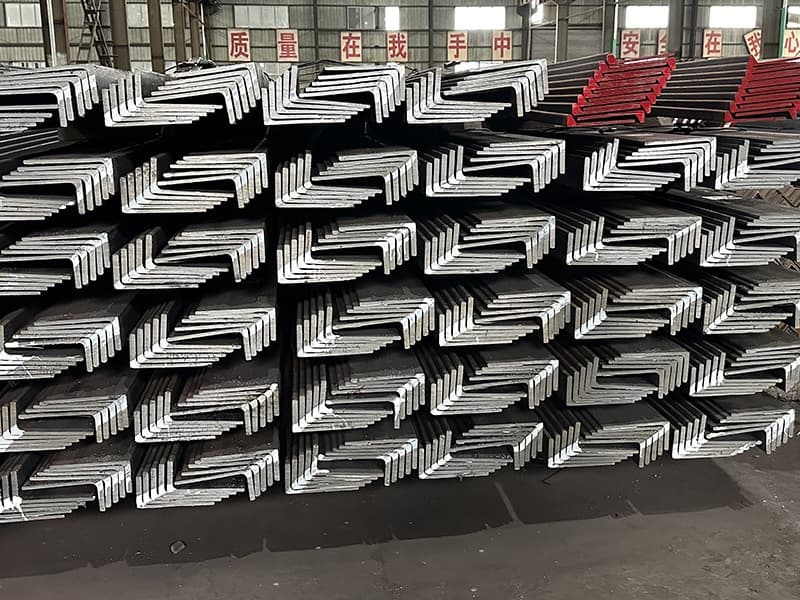
I have watched shipyards waste thousands of dollars on bad nesting. I have also seen smart fabricators cut their scrap rate in half with a few simple changes. This is not about buying expensive machines. It is about how you plan and execute your cuts. Let me walk you through what actually works on the shop floor.
What Factors Affect Cutting Efficiency and Material Yield for Marine L Sections?
You buy a 12‑meter length. You cut five pieces from it. Then you have a 1.5‑meter leftover that is too short for anything. That is lost money.
Cutting efficiency and material yield1 are affected by part length distribution, kerf loss2, cutting method3, material grade, and operator skill4. The biggest factor is how well your part lengths match the stock length.
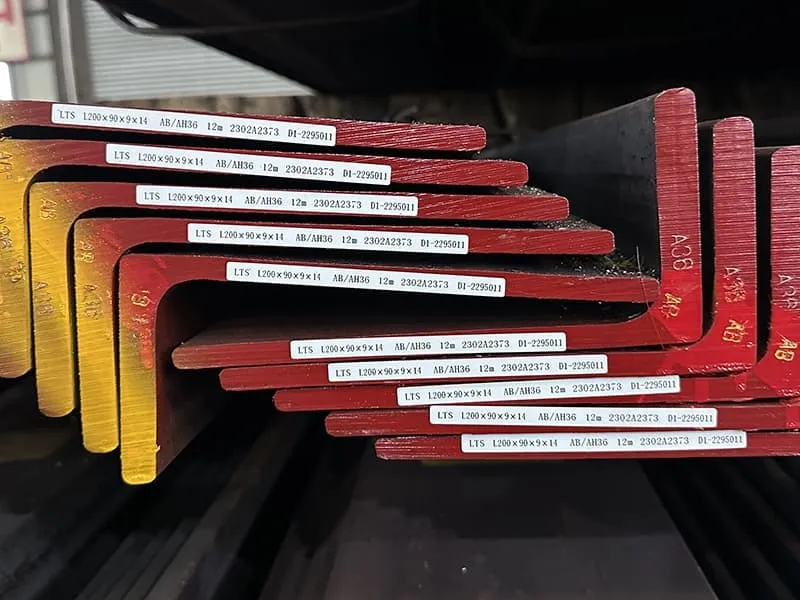
The math behind your scrap pile
I visited a shipyard in Vietnam last year. They were cutting L sections for a small vessel. Their scrap pile was huge. I asked to see their cutting plan. They did not have one. They just cut each piece as needed. That is the most expensive way to cut steel.
Let me break down the five factors that control your yield.
First, part length distribution vs stock length. Most L sections come in 6m, 9m, or 12m lengths. Your project has many different part lengths. Some are 2m, some 3.5m, some 4.2m. The goal is to fit those parts into the stock length with as little leftover as possible.
Here is a simple example:
| Stock Length | Part Lengths | Combination | Waste |
|---|---|---|---|
| 12m | 4m + 4m + 4m | Perfect fit | 0% |
| 12m | 5m + 3.5m + 2.5m | 2.5m leftover | 20.8% |
| 12m | 3.8m + 3.8m + 3.8m | 0.6m leftover | 5% |
| 12m | 6m + 4m | 2m leftover | 16.7% |
The best combination uses three 3.8m parts. The worst uses two parts and leaves a long leftover.
Second, kerf loss. Every cut removes some steel. A plasma cutter removes about 2‑3mm. A saw blade removes 3‑5mm. A laser removes 1‑2mm. On a long cut, that is small. But if you make 100 cuts, kerf loss adds up to 200‑500mm. That is one extra piece lost.
Third, cutting method affects yield indirectly. Faster methods allow you to test different nesting arrangements. Slower methods push you to cut simple sequences.
Fourth, material grade matters for two reasons. Higher grades (AH36, DH36) are more expensive. Scrap hurts more. Also, some grades require slower cutting speeds or preheating. That changes your workflow.
Fifth, operator skill is often overlooked. A skilled operator can rearrange cuts on the fly. An unskilled operator just follows the first plan he sees. The difference in yield can be 5‑10%.
Where most shipyards lose money
I see three common mistakes:
| Mistake | Typical Scrap Increase | Solution |
|---|---|---|
| Cutting parts one by one without planning | +10‑15% | Use a nesting list before cutting |
| Ignoring leftover pieces from previous jobs | +5‑8% | Store and reuse offcuts |
| Using the same cutting method for all thicknesses | +3‑5% | Match method to thickness |
One of my clients in Malaysia reduced his scrap from 15% to 8% just by planning his cut sequences better. That saved him $30,000 per year. No new machine. Just better planning.
How Can Nesting Software Reduce Scrap When Cutting L‑Shaped Steel?
You try to fit parts into a 12m bar in your head. You miss the best combination. A computer does not miss.
Nesting software1 calculates the optimal arrangement of parts within stock lengths. It can reduce scrap by 10‑25% compared to manual nesting. For L sections2, it also accounts for the shape orientation and grain direction.
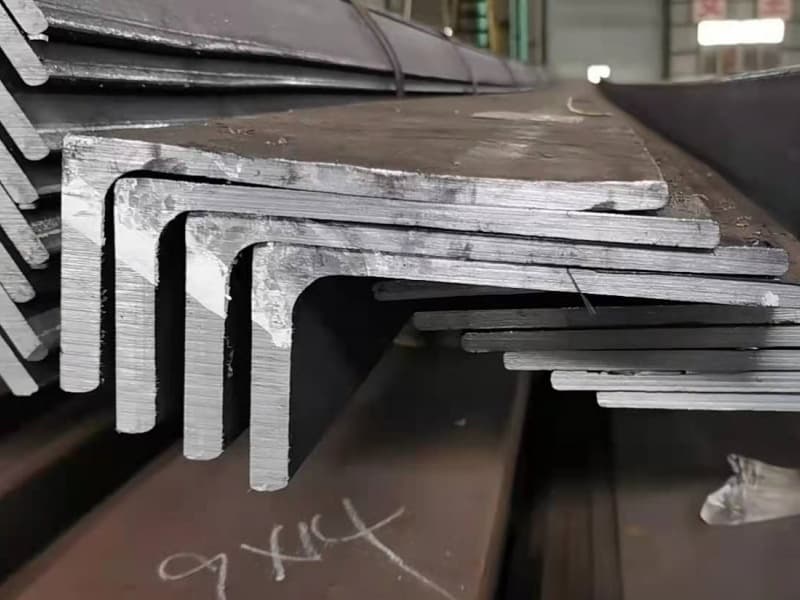
From manual guesswork to computer precision
I remember a fabricator in Thailand. He was cutting L sections for a dock project. He did all his nesting on paper. It took him two hours per day. His scrap rate3 was 14%. Then he bought a basic nesting software. The software paid for itself in three months. His scrap dropped to 9%. His planning time dropped to 20 minutes per day.
So let me explain how nesting software works for L sections.
First, what nesting software does. You give the software a list of part lengths and quantities. You also tell it the stock lengths you have (6m, 9m, 12m). The software tries millions of combinations in seconds. It finds the way to fit the most parts into each stock length.
Here is a comparison of manual vs software nesting:
| Parameter | Manual Nesting | Software Nesting |
|---|---|---|
| Time to plan 100 parts | 2‑3 hours | 10‑20 minutes |
| Scrap rate (typical) | 12‑18% | 6‑10% |
| Ability to handle complex parts | Low | High |
| Ability to use leftover stock | Manual tracking | Built‑in inventory |
Second, why L sections are trickier than flat bars. L sections have an orientation. The two legs are different. When you cut, you cannot flip the section arbitrarily if there is a grain direction or coating requirement. Good nesting software allows you to set orientation rules.
Third, what to look for in nesting software for shipyards. Not all nesting tools are the same. Here is a feature checklist:
| Feature | Why It Matters for L Sections |
|---|---|
| Supports profile cutting (not just flat plate) | L sections are profiles, not plates |
| Allows orientation locking | Prevents flipping that would affect fit-up |
| Tracks leftover pieces for reuse | Turns 1.5m offcuts into usable parts |
| Exports cut lists to CNC4 | Saves re‑entry errors |
| Calculates material cost savings5 | Shows ROI for the software |
Fourth, the cost‑benefit calculation. A basic nesting software license costs $500‑$2,000 per year. Let me show you the savings.
| Shipyard Size (tons/year) | Scrap before | Scrap after | Steel cost/ton | Annual saving |
|---|---|---|---|---|
| 500 tons | 15% (75 tons scrap) | 10% (50 tons scrap) | $700 | $17,500 |
| 1,000 tons | 14% (140 tons) | 9% (90 tons) | $700 | $35,000 |
| 2,000 tons | 13% (260 tons) | 8% (160 tons) | $700 | $70,000 |
For a shipyard using 1,000 tons of L sections per year, the saving is $35,000. The software cost is under $2,000. That is a 17x return.
A simple start without software
If you cannot buy software yet, use this manual method. Sort your part lengths from longest to shortest. Then try to fit the longest parts together first. Then fill the gaps with shorter parts. This simple greedy algorithm works better than random cutting.
But I recommend software. Even a basic one pays for itself quickly. I have seen it happen many times.
What Cutting Methods Work Best for Different Thicknesses and Grades?
You use the same saw for 6mm and 20mm steel. The thin pieces warp. The thick pieces take too long.
The best cutting method depends on thickness and grade. For marine L sections1, use band saws2 for thicknesses under 10mm, circular cold saws3 for 10‑25mm, and plasma or oxy‑fuel for over 25mm. For high‑strength grades (AH36, DH36), avoid excessive heat input.
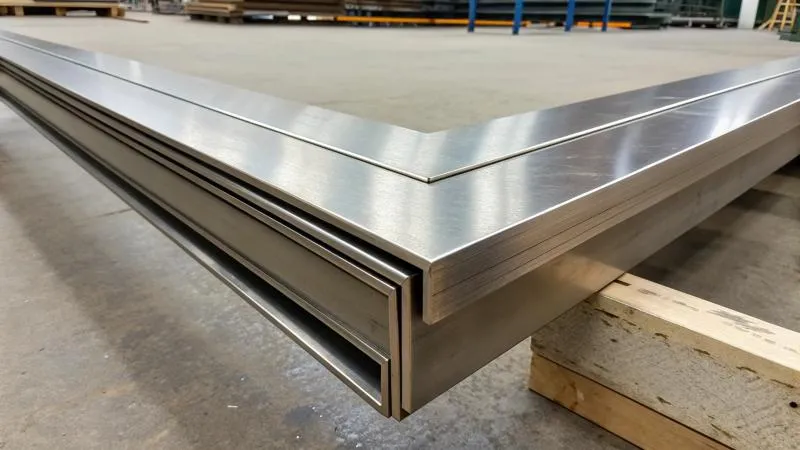
Match the tool to the job
I visited a yard in the Philippines. They were cutting 8mm L sections with a plasma cutter. The edges were rough. The heat affected zone4 was deep. They had to grind every cut. Then they switched to a band saw. The cuts were clean. No grinding. They saved 30 minutes per day.
So let me break down each cutting method.
First, band saws – best for thin and medium sections. A band saw uses a continuous toothed blade. It cuts by shearing, not melting. There is no heat affected zone. The edge is clean.
| Thickness Range | Speed | Edge Quality | Best For |
|---|---|---|---|
| 3‑10mm | Fast | Excellent | AH36, DH36 thin sections |
| 10‑20mm | Medium | Very good | Most marine grades |
| 20‑30mm | Slow | Good | Thicker sections (slower) |
Band saws are cheap to operate. Blade cost is low. But they are slower on thick material.
Second, circular cold saws – best for medium thickness, high precision. A cold saw uses a carbide‑tipped blade with coolant. It cuts fast and clean. The edge is very smooth. Cut length accuracy is within 0.5mm.
| Thickness Range | Speed | Edge Quality | Best For |
|---|---|---|---|
| 5‑15mm | Very fast | Excellent | High production, repetitive cuts |
| 15‑25mm | Fast | Excellent | Medium thickness, good accuracy |
| Over 25mm | Slow | Good | Not recommended for very thick |
Cold saws cost more than band saws. Blades are expensive. But for high‑volume cutting of medium L sections, they are the best.
Third, plasma cutting5 – best for thick sections and odd shapes. Plasma uses an electric arc and compressed gas. It cuts fast through thick steel. But it creates a heat affected zone (HAZ). The edge has a slight bevel.
| Thickness Range | Speed | Edge Quality | Best For |
|---|---|---|---|
| 10‑20mm | Fast | Fair (needs cleanup) | Non‑critical edges |
| 20‑40mm | Very fast | Fair | Thick sections, rough cuts |
| Over 40mm | Excellent | Poor (may need grinding) | Very thick, then machine finish |
Plasma is good for thick sections where edge quality is not critical. For DH36 and higher grades, the HAZ can be a problem. You may need to grind or cut away the HAZ.
Fourth, oxy‑fuel (gas cutting) – best for very thick sections. Oxy‑fuel uses a flame to heat and then a jet of oxygen to burn the steel. It is cheap but slow. The edge is rough.
| Thickness Range | Speed | Edge Quality | Best For |
|---|---|---|---|
| 20‑50mm | Medium | Poor | Cutting thick scrap or rough blanks |
| Over 50mm | Slow | Poor | Only when no other method available |
I do not recommend oxy‑fuel for finished marine L sections. The edge is too rough. You will need secondary machining.
A quick selection table for shipyards
| Thickness | Grade | Recommended Method | Reason |
|---|---|---|---|
| 5‑10mm | A, B, AH32 | Band saw | Clean edge, no HAZ, low cost |
| 10‑20mm | AH36, DH36 | Cold saw or band saw | Precision, good edge |
| 20‑30mm | A, B | Cold saw or plasma | Speed vs edge quality trade‑off |
| 20‑30mm | AH36, DH36 | Band saw (slow) or cold saw | Avoid HAZ on high‑strength steel |
| Over 30mm | Any | Plasma + grinding | Thickness forces plasma, then clean up |
One of my clients in Saudi Arabia uses band saws for all DH36 up to 25mm. He says the extra time is worth it because he never has HAZ cracking. That is a smart trade‑off.
How Do You Plan Cut Sequences to Minimize Handling and Rework?
You cut all the small pieces first. Then the long piece that remains is hard to handle. Your team struggles.
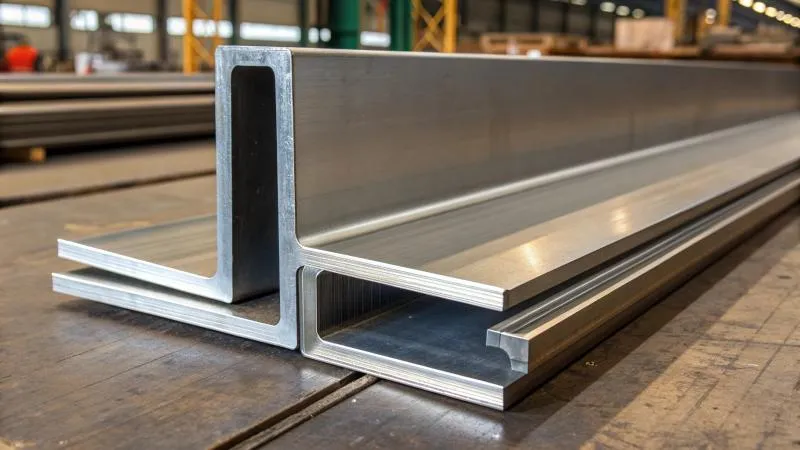
You plan cut sequences1 to cut longest pieces first, group cuts by section size2, minimize material handling3, and leave a stable remaining piece. This reduces rework, improves safety, and speeds up the cutting process.
The order of cuts changes everything
I watched a team in Mexico cut 12m L sections. They cut the small 1m pieces first. The 12m bar became a 11m bar. Then they cut another 1m piece. The bar got shorter and shorter. But every time they cut, the remaining bar was unbalanced on the roller table. It wobbled. They had to manually hold it. That was slow and dangerous.
Then they flipped the sequence. They cut the long 5m pieces first. Then the 4m piece. Then the 3m piece. The remaining bar was always short and stable. They cut 30% faster.
So let me explain the principles.
First, cut longest pieces first. This keeps the remaining bar as long as possible for as long as possible. A long bar is easier to support on a roller table. A short bar is stable and easy to handle.
Here is an example. Stock length 12m. Parts: 5m, 4m, 3m.
| Sequence | Cut 1 | Remaining | Cut 2 | Remaining | Cut 3 | Remaining | Handling Difficulty |
|---|---|---|---|---|---|---|---|
| Longest first | 5m | 7m | 4m | 3m | 3m | 0 | Easy |
| Shortest first | 3m | 9m | 3m | 6m | 4m | 2m | Hard (wobbly 9m then 6m) |
The longest‑first sequence is always better.
Second, group cuts by section size. If you have L100x100x10 and L75x75x8 on the same saw, cut all of one size before switching. Changing saw settings (blade speed, feed rate) takes time. Batch your cuts.
Third, plan for offcut reuse4. Do not cut a piece that will leave a 1.2m leftover if you already have a 1.1m leftover from yesterday. Use the leftover first. This requires tracking your offcut inventory. A simple whiteboard or spreadsheet works.
Fourth, leave a stable piece5 at the end. The last piece should be short enough to handle easily. A 1m piece is fine. A 6m piece that is the only thing left on the table is hard to support. Reorder your cuts so the last piece is short.
A sample cut sequence plan
Let me give you a real example from a client in Thailand.
Stock: 12m L150x150x12 AH36
Part list: 5.2m (2 pieces), 3.8m (4 pieces), 2.2m (2 pieces), 1.5m (4 pieces)
| Step | Cut Length | Remaining Length | Why This Order |
|---|---|---|---|
| 1 | 5.2m | 6.8m | Longest first, stable |
| 2 | 3.8m | 3.0m | Second longest |
| 3 | 2.2m | 0.8m | Short leftover, easy to handle |
| Then start new bar for remaining parts |
This sequence leaves a 0.8m leftover. That leftover can be used for small brackets later.
Common mistakes and how to avoid them
| Mistake | Consequence | Fix |
|---|---|---|
| Cutting short pieces first | Unstable bar, safety risk | Always cut longest first |
| Not batching by size | Many machine adjustments | Group same size together |
| Ignoring offcuts | Buying more steel than needed | Track leftovers on a board |
| Poor marking of cut lines | Wrong lengths, rework | Use a stop or a measuring system |
One of my clients in Qatar reduced his cutting time by 25% just by changing his cut sequence order. No new equipment. No new staff. Just a new plan.
Conclusion
Match the cutting method to thickness, use nesting software, cut longest pieces first, and track your offcuts. That is how you cut waste and save money.
-
Explore this resource to learn about optimizing cut sequences for efficiency and safety in manufacturing processes. ↩ ↩ ↩ ↩
-
Discover the benefits of grouping cuts by size to streamline operations and reduce machine adjustments. ↩ ↩ ↩ ↩
-
This link provides insights on reducing material handling, enhancing safety, and improving workflow in cutting operations. ↩ ↩ ↩ ↩
-
Learn how to effectively manage offcuts to save materials and reduce waste in your cutting processes. ↩ ↩ ↩ ↩
-
Find out how ensuring a stable last piece can enhance safety and efficiency in cutting operations. ↩ ↩ ↩