
Your structure is too heavy. You use too much steel. You pay more for materials and shipping. There is a better way.
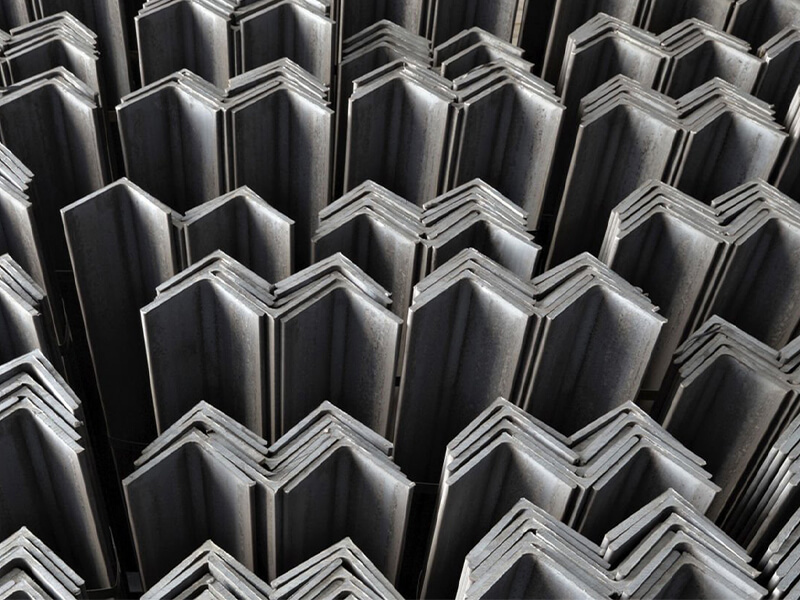
Choose the right angle steel shape and grade. An L-shape gives more strength per kilogram than a flat bar. Higher grades like AH36 let you use thinner steel. Weight drops 15-25%.
Transition Paragraph:
I am Zora Guo from cnmarinesteel.com. I supply marine angle steel to shipyards and fabricators around the world. I have helped customers cut structural weight without cutting safety. Let me show you how.
Why Angle Steel Shape Matters More Than Thickness for Weight Savings?
leading paragraph:
You think thicker steel is stronger. So you add thickness. The structure gets heavier. You waste money.
snippet paragraph:
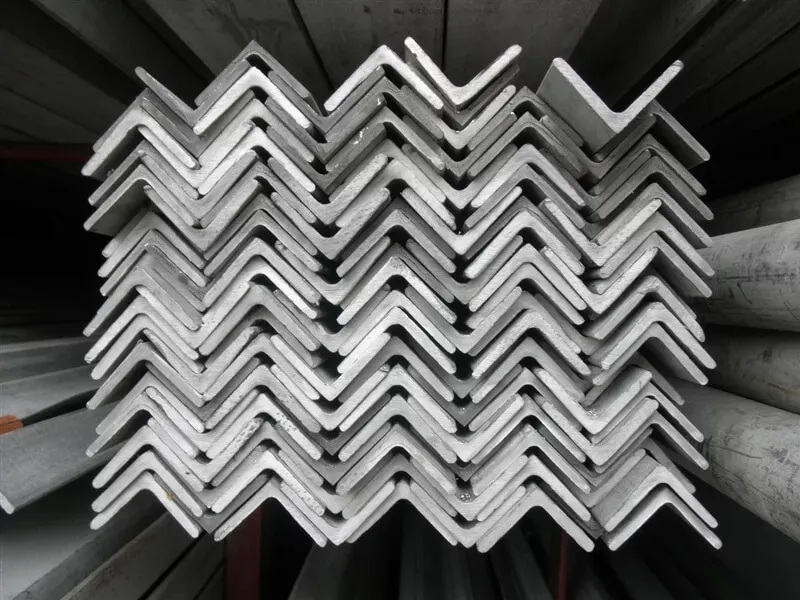
The L-shape of angle steel1 gives high strength in two directions. A thinner angle steel can be stronger than a thicker flat bar. Shape matters more than thickness.
Dive deeper Paragraph:
Let me explain a basic engineering fact. The strength of a steel beam depends on its shape, not just its thickness. This is called the moment of inertia2. The L-shape has a high moment of inertia for its weight.
The problem with flat bars
A flat bar is simple. It is cheap. But it is weak when bent sideways. Imagine a ruler. Lay it flat. It bends easily. Stand it on its edge. It is much stiffer. That is because the shape matters. A flat bar has most of its material in the middle. That is the worst place for resisting bending.
The advantage of angle steel
An L-shape puts material at the edges. The two legs are far from the center. That gives a high moment of inertia. A 100mm x 100mm x 6mm angle steel weighs about 9.2 kg per meter. A flat bar of the same weight would be about 120mm x 6mm. But the angle steel is 3 times stiffer in bending. You can use a thinner angle steel to replace a thicker flat bar.
Weight comparison example
| Steel type | Size (mm) | Weight per meter (kg) | Bending strength index |
|---|---|---|---|
| Flat bar | 120 x 6 | 5.65 | 100 |
| Angle steel (equal leg) | 75 x 75 x 6 | 6.82 | 280 |
| Angle steel (unequal leg) | 100 x 50 x 6 | 6.90 | 250 |
A real example
A customer in the Philippines was building a steel frame for a warehouse. He used 150mm x 8mm flat bars for the roof purlins. The frame was heavy. I suggested switching to 75mm x 75mm x 6mm angle steel. The angle steel weighed less per meter. But it was stiffer. The roof did not sag. He saved 2.5 tons of steel on the whole building.
My advice
Do not just add thickness. Look at the shape first. Angle steel gives you more strength per kilogram than flat bar. Use it for beams, frames, and bracing. You will cut weight without cutting safety.
Choosing Unequal Leg Angle Steel for High-Load, Low-Weight Zones?
leading paragraph:
One side of your beam takes most of the load. The other side takes less. Equal legs waste material. Unequal legs save weight.
snippet paragraph:
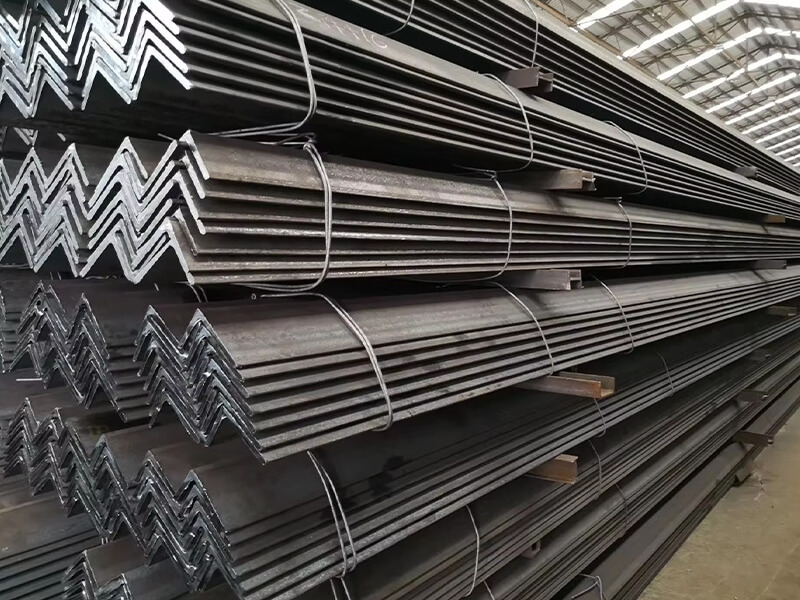
Unequal leg angle steel1 has one longer leg and one shorter leg. Put the longer leg on the high-load side. Put the shorter leg on the low-load side. You use less steel for the same strength.
Dive deeper Paragraph:
Most people buy equal leg angle steel. That is 100mm x 100mm. But many applications do not need two equal legs. A beam welded to a wall only needs a long leg on the wall side. The free leg can be shorter.
When to use unequal leg
Unequal leg angle steel is perfect for:
- Stiffeners welded to a plate. The leg touching the plate takes the load. Make that leg longer.
- Edge beams on decks. The vertical leg takes the load. The horizontal leg just stops twisting.
- Bracing that is fixed on one side only.
How much weight you save
A 100mm x 50mm x 6mm unequal leg angle weighs about 6.9 kg per meter. An equal leg 100mm x 100mm x 6mm weighs about 9.2 kg per meter. That is 25% lighter. For a 100-meter beam, you save 230 kg. For a whole structure, the saving adds up.
Unequal leg vs equal leg comparison
| Size (mm) | Weight per meter (kg) | Strength (same load) | Best use |
|---|---|---|---|
| 100 x 100 x 6 | 9.2 | High | Free-standing beams |
| 100 x 75 x 6 | 8.0 | Medium-high | One side fixed |
| 100 x 50 x 6 | 6.9 | Medium | Edge stiffeners |
| 75 x 50 x 6 | 5.8 | Medium-low | Light frames |
A real example
A customer in Saudi Arabia was building a platform deck. He used equal leg 120mm x 120mm angle steel for the edge beams. I showed him that the horizontal leg did nothing. He switched to 120mm x 75mm unequal leg. He saved 18% on the steel weight for that part of the structure. The platform was just as strong.
My advice
Look at your design. Ask: “Does the load come equally from both sides?” If not, use unequal leg. Put the longer leg where the load is higher. You will save weight and money. I stock many unequal leg sizes. Send me your drawing. I will recommend the best size.
Upgrading to Higher Grade Steel (AH36/DH36) to Use Thinner Sections?
leading paragraph:
You use A36 steel. It is cheap. But it is not strong. You need thick sections. The structure gets heavy.
snippet paragraph:
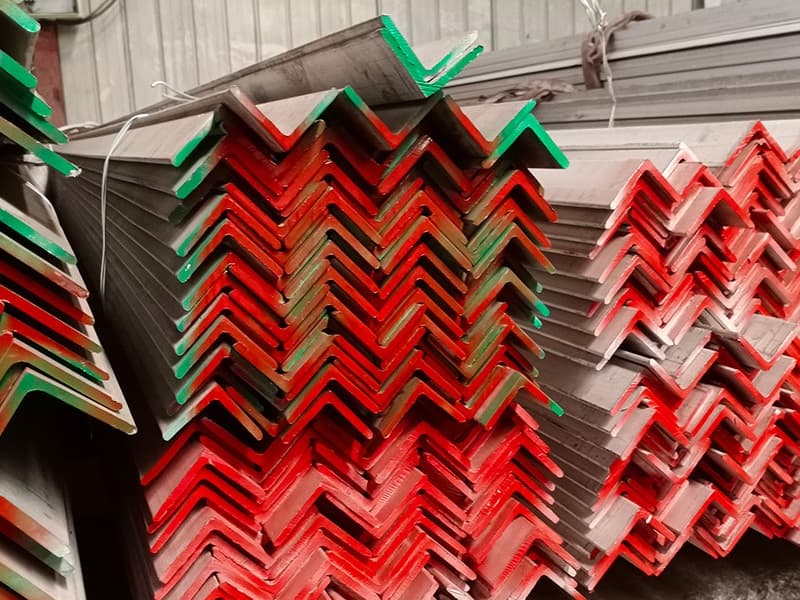
Higher grade steel like AH36 has 40% higher yield strength1 than A36. You can use thinner sections for the same load. Weight drops by 20-30%. The higher price per ton is offset by less steel.
Dive deeper Paragraph:
Many buyers stick with A36 because it is familiar. But A36 has a yield strength of 250 MPa. AH36 has 355 MPa. That is 42% stronger. For the same load, you can reduce the steel thickness by about 30%.
The math of upgrading
Let us say your design needs a 10mm thick A36 angle steel. An AH36 angle steel of the same shape only needs to be 7mm thick. The weight drops from 15.0 kg per meter to 10.8 kg per meter. That is 28% lighter.
The price of AH36 is about 15% higher than A36 per ton. But you use 28% less steel. The total cost is lower. And the structure is lighter. Lighter structures cost less to ship and install.
When to upgrade
Upgrading to higher grade makes sense for:
- Primary load-bearing members (main beams, columns)
- Long spans where weight is critical
- Structures that will be shipped (lighter shipping cost)
- Offshore or marine applications (AH36 also has better corrosion resistance2)
Grade comparison table
| Grade | Yield strength (MPa) | Price index | Weight saving vs A36 | Best for |
|---|---|---|---|---|
| A36 | 250 | 100% | 0% | Low-stress parts |
| AH36 | 355 | 115% | 25-30% | High-stress, marine |
| DH36 | 355 (better impact) | 125% | 25-30% | Cold environments |
| EH36 | 355 (best impact) | 140% | 25-30% | Very cold, Arctic |
A real example
A customer in Qatar built a crane structure. He used A36 angle steel. The crane was heavy. It needed a bigger foundation. I suggested AH36. He reduced the angle steel thickness from 12mm to 9mm. The crane weight dropped by 1.8 tons. The foundation cost dropped by $5,000. The steel cost went up $800. Net saving: $4,200.
My advice
Do a simple calculation. Take one beam in your design. Calculate the weight and cost with A36. Then calculate with AH36 using thinner steel. See the difference. For most structures, AH36 pays for itself. I supply both grades. I can help you compare.
Replacing Solid Bars or Channels with Angle Steel for Lighter Frames?
leading paragraph:
You use solid square bar1s for bracing. They are strong. But they are also heavy. You can get the same strength with less steel.
snippet paragraph:
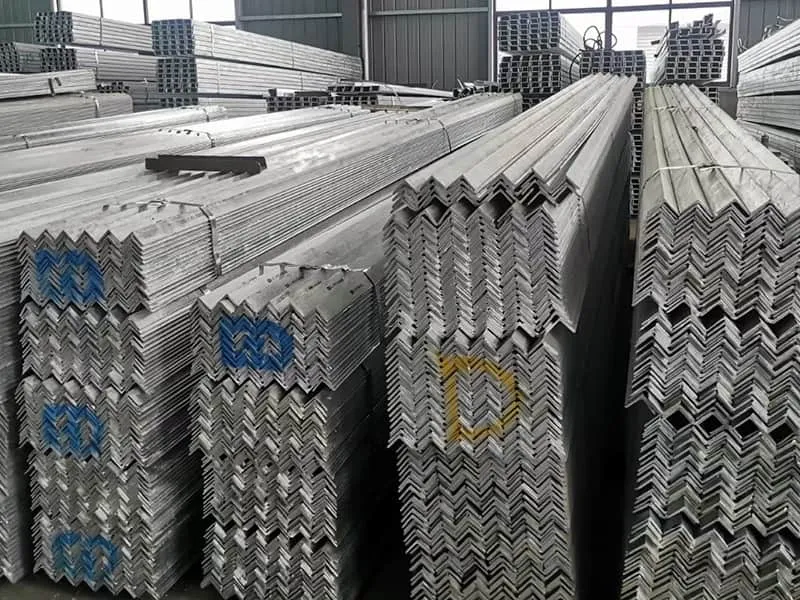
Angle steel is an open shape. Solid bars are closed. For the same weight, angle steel2 is much stiffer. Replace solid bars with angle steel. Your frame gets lighter. Your cost goes down.
Dive deeper Paragraph:
Many old designs use solid bars or channels because that is what the engineer knew. But modern steelmaking gives us better shapes. Angle steel is one of the most efficient.
Solid bars are wasteful
A solid square bar has all its material in the center. That is the worst place for resisting bending. The center of a beam does very little work. The outer fibers do most of the work. An angle steel puts material at the outer edges. That is why it is so efficient.
Channels are better but still heavy
Channel steel (C-shape) is stronger than a flat bar. But it is heavier than angle steel for the same strength. A channel has a web and two flanges. The web adds weight but not much strength. Angle steel has no web. It is just two flanges. That is enough for many applications.
Weight comparison for the same strength
| Section type | Size | Weight per meter (kg) | Relative weight |
|---|---|---|---|
| Solid square bar | 50mm x 50mm | 19.6 | 100% |
| Channel | 100mm x 50mm x 5mm | 9.4 | 48% |
| Angle steel (equal leg) | 75mm x 75mm x 8mm | 9.0 | 46% |
| Angle steel (unequal leg) | 100mm x 50mm x 6mm | 6.9 | 35% |
A real example
A customer in Vietnam was building a support frame for industrial equipment. The original design used 60mm solid square bars for the bracing. The frame was very heavy. I suggested replacing the solid bars with 100mm x 50mm x 6mm unequal leg angle steel. The weight dropped by 65%. The frame was still strong enough. The customer saved $2,000 on steel and $1,000 on shipping.
My advice
Review your design. Look for any place where you use solid bars, round bars, or heavy channels. Ask: “Can I replace this with angle steel?” Most of the time, the answer is yes. Angle steel is cheaper per ton and lighter per meter. It is easier to weld and cut. I supply all types. But I recommend angle steel for most frame applications3.
Conclusion
Use angle steel shape. Choose unequal legs for uneven loads. Upgrade to AH36 for thinner sections. Replace solid bars. Your structure gets lighter and cheaper.
-
Learn why solid square bars may not be the best choice for bracing and how they compare to more efficient materials. ↩ ↩ ↩ ↩
-
Explore the benefits of angle steel, including its efficiency and cost-effectiveness compared to traditional solid bars. ↩ ↩ ↩
-
Discover various frame applications where angle steel outperforms other materials, enhancing strength and reducing weight. ↩