
I have seen too many shipbuilding projects fall behind because of steel. A missing plate can stop the whole production line.
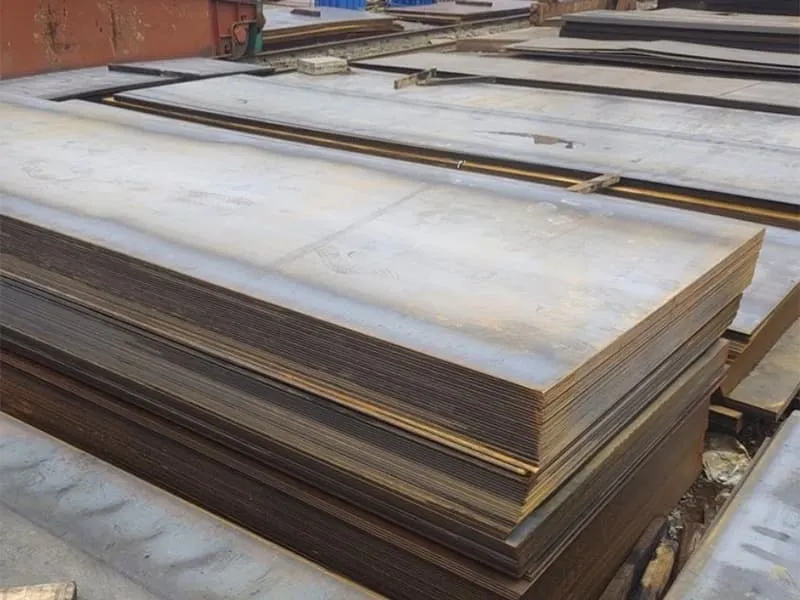
Early steel plate planning stops your shipbuilding schedule from breaking. It also cuts material waste by up to 15%. And it helps you lock in better prices before mill lead times grow long. Securing class approvals becomes faster without rework.
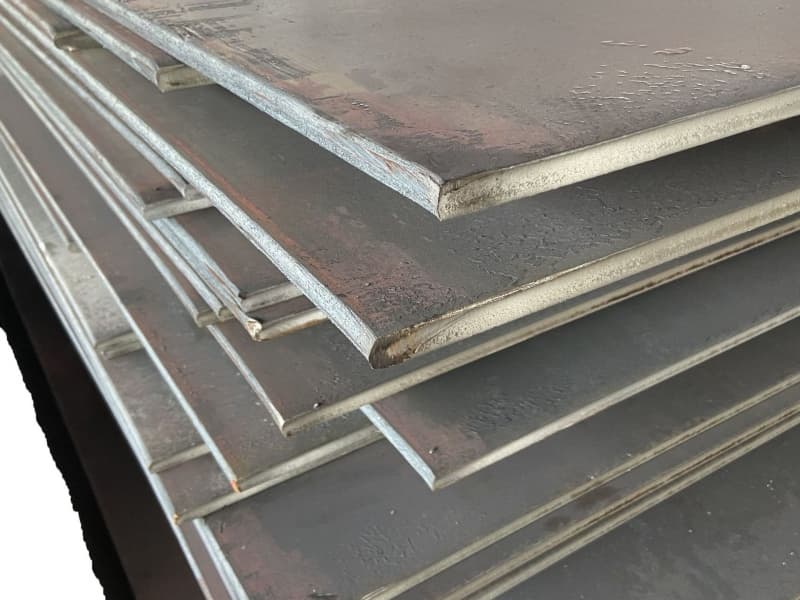
Let me explain why this matters for your next vessel. I work with shipbuilders every day. I see the same mistakes again and again. You can avoid them with simple early actions.
How Does Late Steel Plate Delivery Derail the Entire Ship Construction Schedule?
One missing plate can freeze your whole assembly line. I watched a client in Malaysia wait for three weeks. Their crew stood idle because the steel did not arrive on time.
Late steel plate delivery pushes back every following step. Hull assembly stops. Welding teams wait. Painting gets delayed. The final delivery date moves by months, not days.
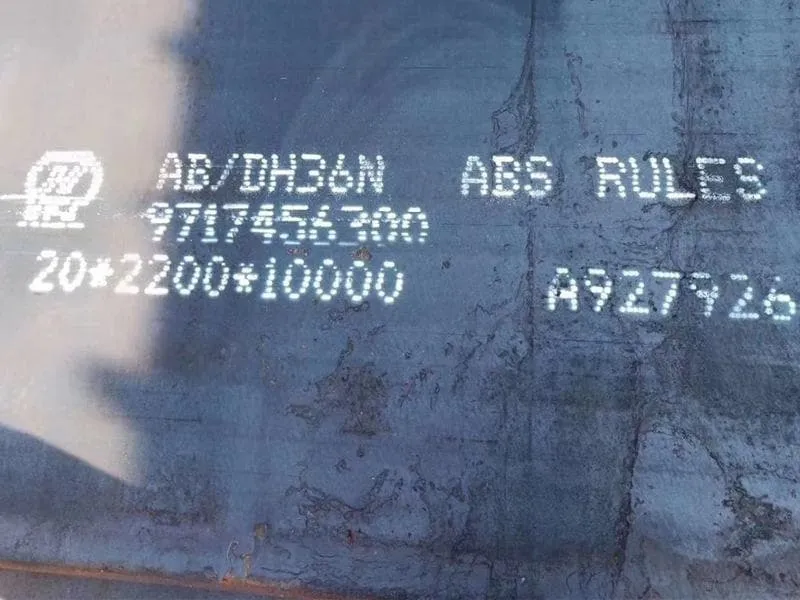
The Domino Effect of Late Delivery
Shipbuilding follows a strict order. You cannot skip ahead. Each step depends on the one before. When steel arrives late, the whole chain breaks.
Here is what actually happens inside a shipyard when plates are late:
| Stage | On-Time Steel | Late Steel (2 weeks delay) | Actual Impact |
|---|---|---|---|
| Steel arrival | Week 1 | Week 3 | +14 days idle |
| Cutting & nesting | Week 2 | Week 4 | +14 days |
| Sub-assembly | Week 4 | Week 6 | +14 days |
| Block assembly | Week 6 | Week 8 | +14 days |
| Grand block | Week 8 | Week 10 | +14 days |
| Painting | Week 10 | Week 12 | +14 days |
| Launch | Week 20 | Week 22 | Entire project shifts |
But the real cost is worse than these numbers show. Your skilled workers cannot sit forever. They move to other jobs. When steel finally arrives, you have to pull them back. That takes time too. Morale drops, quality suffers because people rush.
Why Most Projects Don’t Account for This
Many buyers think a two-week delay stays at two weeks. That is wrong. The delay multiplies because of how shipyards operate.
Take a real example. A buyer from the Philippines ordered marine steel plates from another supplier. The supplier promised eight weeks. The steel arrived in twelve weeks. That four-week delay turned into nine weeks of total schedule slip. Why? The shipyard had already assigned the cutting team to another urgent job. They could not switch back quickly. The nesting software had to be reprogrammed. Some plate sizes changed because the design team made small updates during the wait. Every small problem added more time.
I tell my clients to order steel at least three months before the planned cutting date. This buffer is not extra cost. It is insurance. Even then, I always recommend adding two more weeks of safety time. In my eight years of supplying marine steel, I have never heard a customer complain about steel arriving too early. But I have heard hundreds complain about late delivery.
Why Is Early Planning Essential for Optimizing Plate Nesting and Reducing Material Waste?
I once visited a shipyard in Vietnam. They showed me their scrap pile. It was huge. I asked why. They said “we always order extra plates just in case.” That extra cost ate their profit margin.
Early planning lets you group plates by size and grade before cutting. You can nest parts more tightly. This reduces waste by 10 to 15 percent. You also order only what you really need.
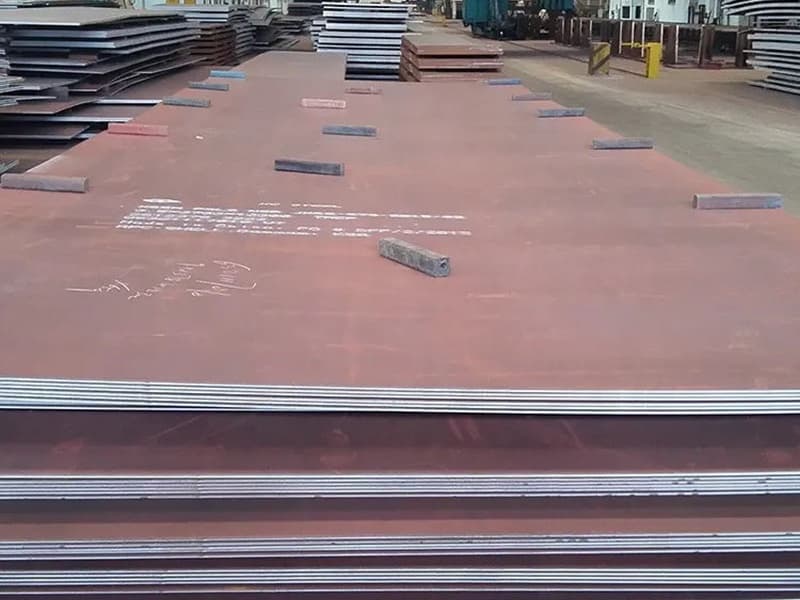
How Nesting Works and Why Timing Matters
Nesting is the process of arranging cut shapes on a steel plate. Good nesting uses almost all the plate. Bad nesting leaves big empty spaces. Those spaces become scrap. You paid for that scrap.
Here is the simple truth about nesting:
| Approach | Material Utilization | Extra Cost per 100 tons | Notes |
|---|---|---|---|
| Last-minute nesting | ~75-80% | ~$8,000 | More scrap, less profit |
| Planned nesting with early data | ~88-92% | ~$2,500 | Efficient, lower cost |
| Optimized nesting with group planning | ~93-95% | ~$1,000 | Best value |
The difference is real. For a typical 10,000-ton ship project, moving from 80% to 92% utilization saves 1,200 tons of steel. At $800 per ton, that is $960,000 saved. That money goes straight to your bottom line.
But you cannot do good nesting without early planning. Nesting needs final plate dimensions and cut shapes. If you order plates before you finalize the nesting plan, you might get the wrong sizes. If you wait too long, you rush the nesting and waste material.
The Hidden Waste Most Buyers Miss
I see three types of waste that early planning stops:
Waste type one: wrong plate sizes. You order standard plates. But your nesting software could use custom widths. With early planning, you can order plates that match your nest perfectly. No extra trimming.
Waste type two: excess inventory. Shipyards often order 10-15% extra plates. They fear running out. That extra steel sits in storage. It takes space. It ties up cash. And it might rust before you use it. Early planning, with firm nesting numbers, cuts that extra order down to 5% or less.
Waste type three: mismatched grades. Different parts of a ship need different steel grades. The hull needs high strength. The superstructure can use standard grades. Without planning, buyers order the same high grade for everything. That is expensive and wasteful. Early planning lets you separate grades correctly.
One of my clients in Saudi Arabia used to order 20% extra plates for every project. After working with us on early planning, they dropped to 6% extra. They saved over $300,000 in one year. That client now sends me their nesting plans six months before cutting starts. We deliver the exact plate sizes they need. No waste. No rush.
How Does Advance Plate Ordering Help Manage Long Mill Lead Times and Price Volatility?
Steel mills are not fast. I remember calling a mill in early 2022. They said 12 weeks for marine plates. One month later, the same mill said 26 weeks. Prices also jumped three times in that month.
Advance ordering locks in your price and production slot. You avoid mill lead times that stretch to six months or more. You also protect your budget from sudden price spikes during busy seasons.
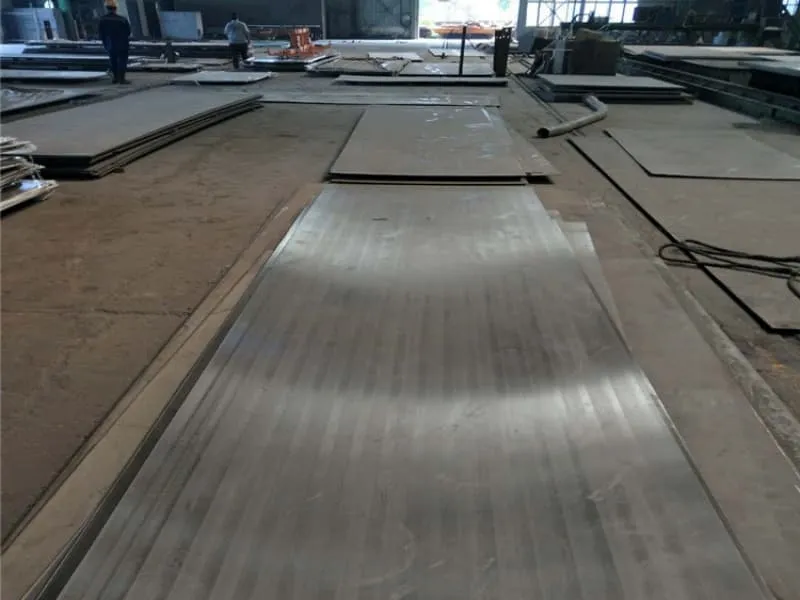
Understanding Mill Lead Time Reality
Most buyers do not know how mills really work. Let me share the inside view.
Mills produce steel in campaigns. They make one product group for weeks or months. Then they switch to another group. Marine steel plates are not made every week. Many mills run marine plate campaigns only two or three times per year.
Here is a typical mill schedule for marine plates:
| Month | Production Focus | Lead Time for New Orders |
|---|---|---|
| January | Marine plates | 8-10 weeks |
| February | Structural sections | N/A for marine |
| March | Marine plates | 10-12 weeks |
| April | Pipe and tube | N/A |
| May | Marine plates | 12-14 weeks |
| June | Coil products | N/A |
| July | Maintenance shutdown | 20+ weeks |
| August | Marine plates | 14-16 weeks |
| September | Industrial plates | N/A |
| October | Marine plates | 10-12 weeks |
| November | Year-end backlog | 16-18 weeks |
| December | Holiday slowdown | 18-20 weeks |
If you miss the January campaign, your next chance might be March. If you miss that, May. By July, you wait 20 weeks or more. That is almost five months. Your shipbuilding project cannot wait that long.
Price Volatility and Your Budget
Steel prices change like oil prices. Many factors move them. Iron ore costs. Energy prices . Shipping rates . Demand from other industries.
I have tracked marine plate prices for eight years. The price range is wide:
- Low period (2019): $550 per ton
- Normal (2020-2021): $650-750 per ton
- Peak (2022): $1,100+ per ton
- Current (2025): around $800-900 per ton
If you order without planning, you pay whatever the price is that day. If that day falls in a peak period, your project budget breaks.
But early ordering changes this. When you order in advance, you negotiate a fixed price. The mill gives you a production slot. Even if prices rise later, you pay the agreed price.
One of my regular buyers in Qatar learned this well. In 2023, they ordered 5,000 tons of marine plates for delivery over 12 months. They locked in a price of $780 per ton. Six months later, the spot price hit $950. They saved $850,000 on that single order. Their finance team was very happy.
The only risk with advance ordering is that prices could drop. But in my experience, marine steel prices trend upward over time. The security of a fixed price matters more than the chance of saving a little more.
What Role Does Early Steel Planning Play in Securing Class Approvals and Avoiding Rework?
I worked with a Mexican shipbuilder last year. They built a whole section before getting class approval on the steel certificates. The class surveyor rejected the steel. The section had to be cut apart. That cost them two months and a lot of money.
Early planning makes sure all steel comes with correct mill certificates before cutting starts. You submit documents to class societies early. They approve your steel while you prepare other things. No rework. No delays.
The Class Approval Process Made Simple
Ship classification societies like ABS, DNV, LR, and BV have strict rules for marine steel. Every plate needs a mill certificate. That certificate must match the actual steel chemistry and mechanical properties.
Here is what happens with and without early planning:
| Step | Without Early Planning | With Early Planning |
|---|---|---|
| 1 | Order steel after construction starts | Order steel 3-4 months before cutting |
| 2 | Steel arrives, start cutting | Send mill certs to class for review |
| 3 | Class finds issue with certs | Class approves certs while steel is in transit |
| 4 | Stop work, request new certs from mill | Steel arrives with pre-approved certs |
| 5 | Wait 2-4 weeks for new certs | Start cutting immediately |
| 6 | Class re-inspects, maybe still fails | No rework needed |
| 7 | Cut out and replace bad plates | Smooth production |
The middle column happens more often than you think. I personally handled five cases last year where buyers called me for emergency replacement plates. Their original steel had class approval problems. The mill would not reissue certificates. We had to supply new plates with rush shipping. That is expensive and stressful.
Common Certificate Mistakes That Stop Production
Most class approval problems come from small mistakes. But small mistakes can stop your whole project.
Mistake one: wrong standard. Some mills certify plates to ASTM or EN standards. But your class society wants their own standard (like ABS or LR). The plates may be the same chemistry. But without the correct standard on the certificate, class will reject them.
Mistake two: missing heat numbers. Every plate has a heat number. That number links to the mill’s test records. If your certificate does not list heat numbers for each plate, class cannot trace the steel. Rejection.
Mistake three: expired mill approval. Mills have class approval status. Some mills lose approval. Or their approval covers only certain thickness ranges. If you buy from a mill whose approval expired, your certificates are worthless.
Mistake four: wrong grade markings. The plate’s stamped grade must match the certificate. I saw a shipment where plates said "AH36" but the certificate said "DH36." Same mill, same thickness. But class rejected every single plate.
Early planning helps you catch these mistakes before steel ships. I always ask my clients to send me their class requirements and approval forms. We check everything at the mill. We take photos of stampings. We verify heat numbers. Then we send preliminary certificates to the buyer’s class surveyor. Only after class says "ok" do we ship.
A Real Avoided Disaster
A buyer from Romania once ordered 800 tons of bulb flat steel from us. The class society was DNV. We sent the mill certificates to the buyer two weeks before shipping. The buyer’s engineer noticed a small mismatch. The mill had used an older DNV rule number. The current rule number was different.
If we had shipped without checking, the steel would have arrived and failed inspection. The buyer would have been stuck. But because we planned early, we had time to ask the mill to reissue certificates with the correct rule number. Two days later, new certificates arrived. DNV approved them. The steel shipped on time.
That buyer now sends us their class requirements three months before ordering. They know that early paper work saves late rework.
Conclusion
Order your marine steel early. Lock in prices. Cut waste. Get class approvals first. Your project will run smoother and cost less.